Chalk, cliffs & coves …

Featured

Flamborough cliffs & foreshore impression. Collage, gouache & pencil.
© Mari French 2024

Determined to get away on a much-needed sketching break for new inspiration, I recently headed to the dramatic Flamborough Head on the East Yorkshire coast. I’d only visited once before for a day on a school field trip in the early 1970s, but it left a big impression on me and casting around for new sketching locations this year (it’s a couple of years since I’ve been able to have a solo break just for sketching) and wanting an area within a few hours drive, I decided on Flamborough’s unusual limestone cliffs, caves and geology as a change from my gentler local haunts on Norfolk’s saltmarsh coast.
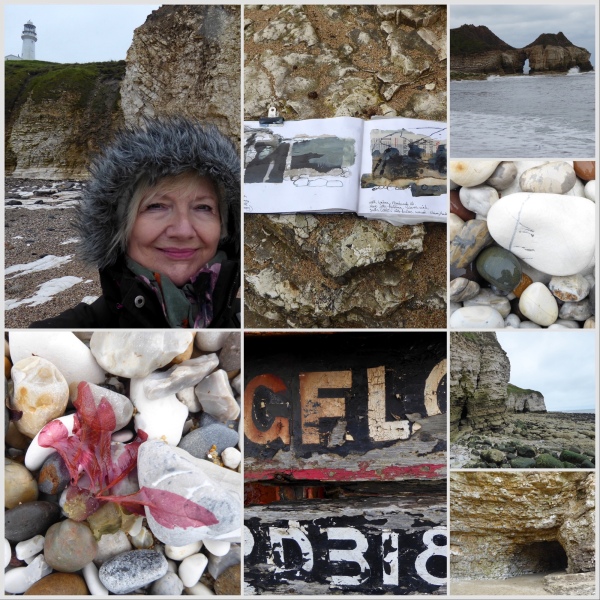
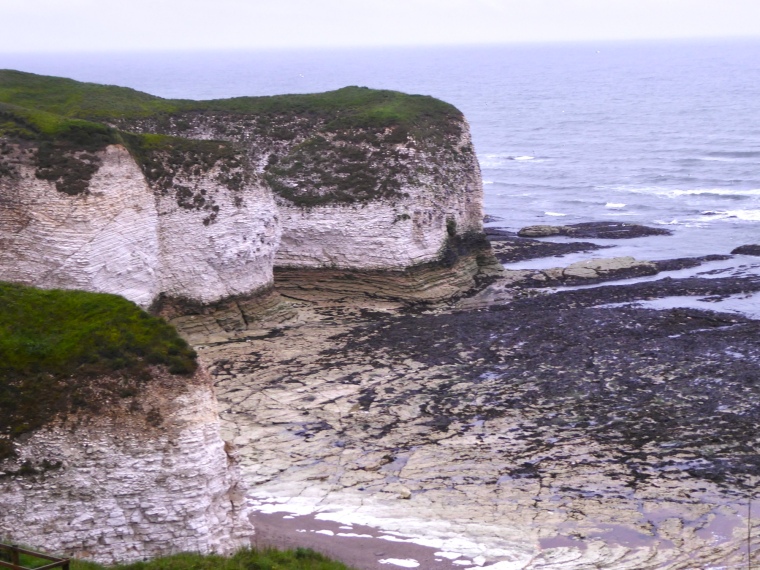
Flamborough. Making the most of the wet and windy May weather.
North Landing, Flamborough Head, East Yorkshire. © Mari French 2024

First impressions …

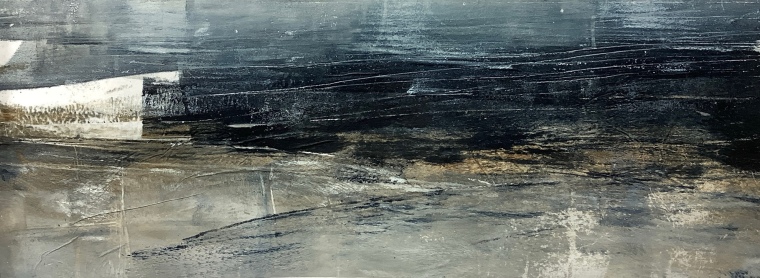
Chalk cliff, dark sea. Monoprint. Acrylic on tissue. © Mari French 2024

Due to ongoing family health issues I had to cut my time away short, only managing to get away for two full days. So I was determined to make as much use of the time as possible.

Accessing the many coves far below the cliffs was pretty strenuous, one involved 182 steep steps, but was well worth the effort. Views from the cliff tops are impressive but you need to get down to sea level if you can, to really appreciate the variety of limestone rock formations, multi-coloured sea-worn stones and deep caves; to experience the essence of the place.
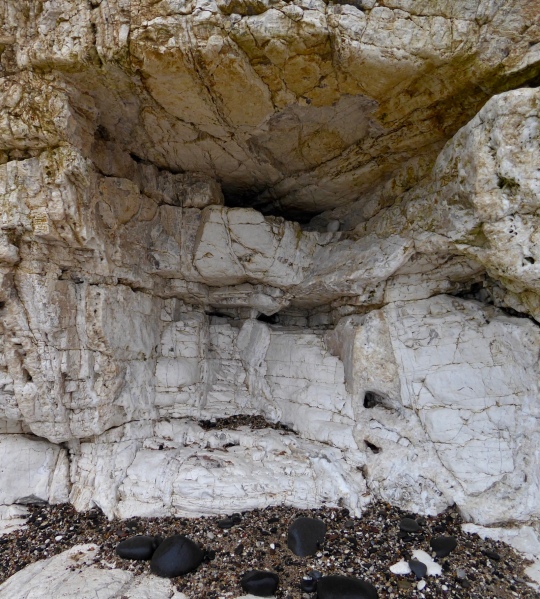
Sketching shelter, limestone ‘grotto’, Selwicks Bay, Flamborough Head.
© Mari French 2024

The weather was unseasonably cold and wet for May, with fog followed by sideways rain on the first day, although by the second day it was more changeable. I’d decided beforehand that I wanted to take gouache and collage with me, instead of my usual watercolour or acrylic ink. This soon proved to be a mistake, particularly perched awkwardly sketching in the rain, although a limestone ‘seat’ set back under an overhang was a very useful find. I’d enjoyed practising with the materials in the studio before I went away, and at the kitchen table in the holiday cottage in the evening, but outdoors they were an overworked mess.
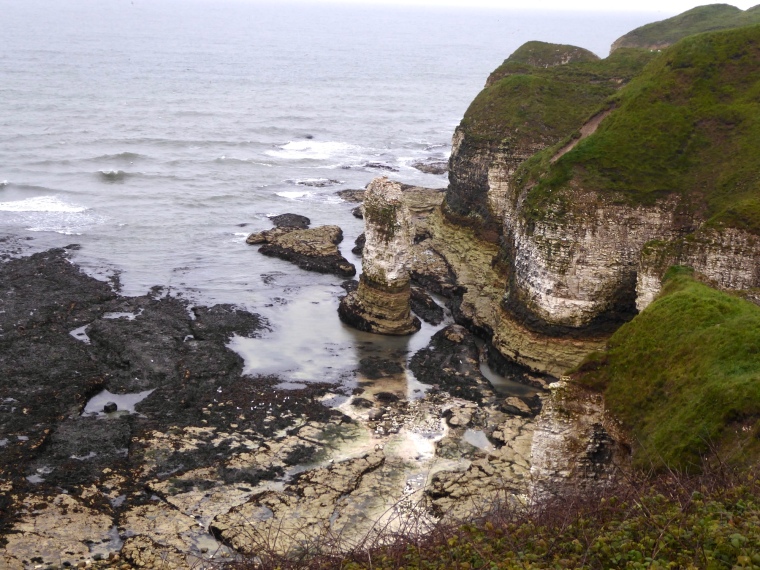
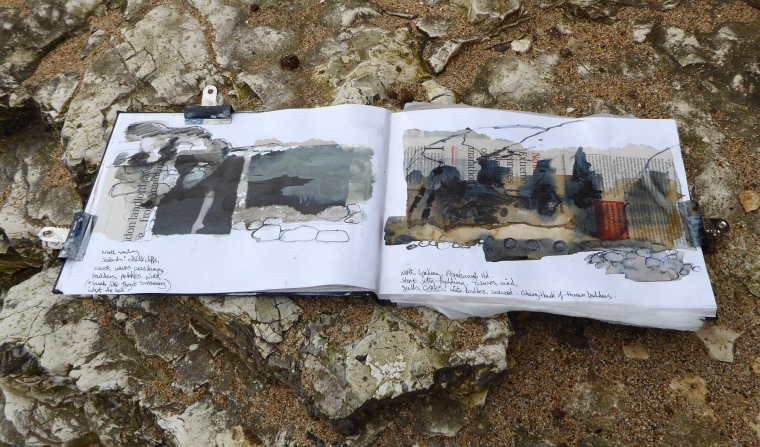
Selwicks Bay with sea stack, Flamborough Head. © Mari French 2024

However, as I’ve come to realise over the years, location sketches don’t have to be perfect as they will still capture valuable information and impressions that will feed into your memories when you want to take the subject further back in the studio.

For me, nothing beats the act of sketching outdoors on location to make me observe a subject more thoroughly, even when it turns out like the one below!
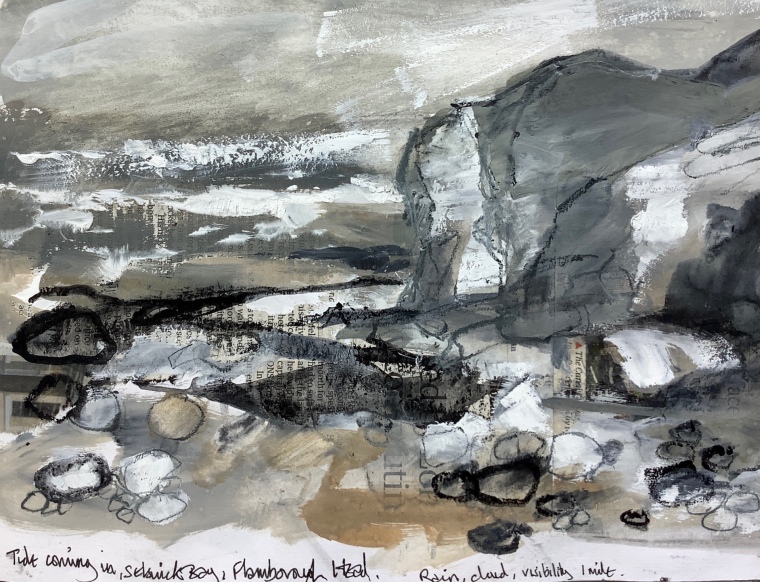
Tide coming in, Selwicks Bay. Gouache, ink block and newsprint, sketchbook.
© Mari French 2024

Observation & exploration …
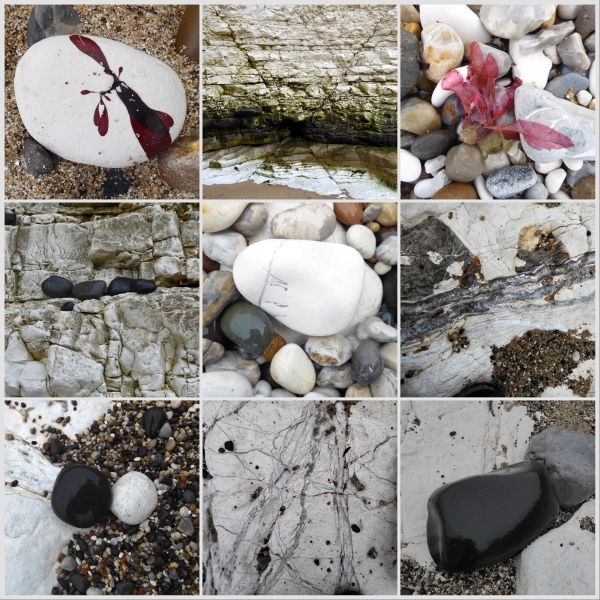
Pebbles, smooth stones and boulders, simple pale colours with veins of quartz and other minerals, strung like jewels in the fissures of rock.

My initial sketches/collages kept emerging as abstracted versions of the coves, bays and cliffs, which I suppose is understandable given their scale and drama and freshness to me. But I can see later work perhaps developing into explorations of the micro landscape that lay beneath my feet: pebbles, smooth stones and boulders, simple pale colours with veins of quartz and other minerals, strung like jewels in the fissures of rock.
Striations and fractures in rock faces and on the foreshore limestone ‘pavements’ meanwhile, will lend themselves to some interesting markmaking.
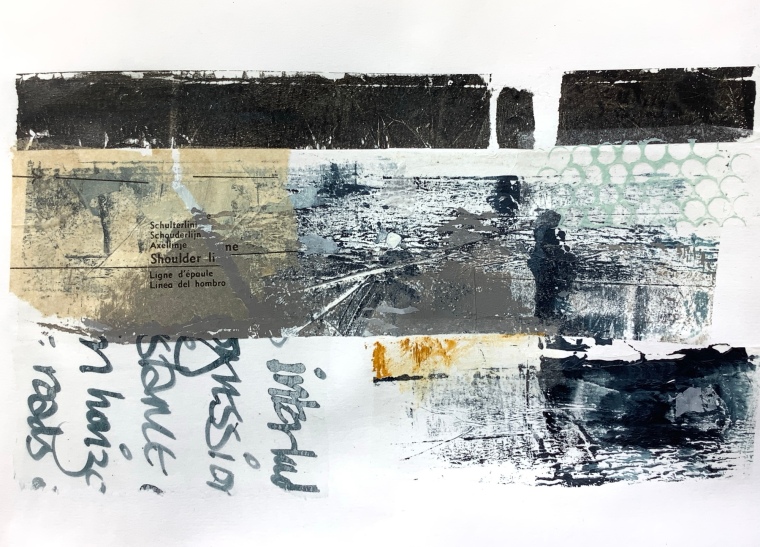
Collage with torn monoprint & calligraphy. Mari French 2024

Taking it forward …

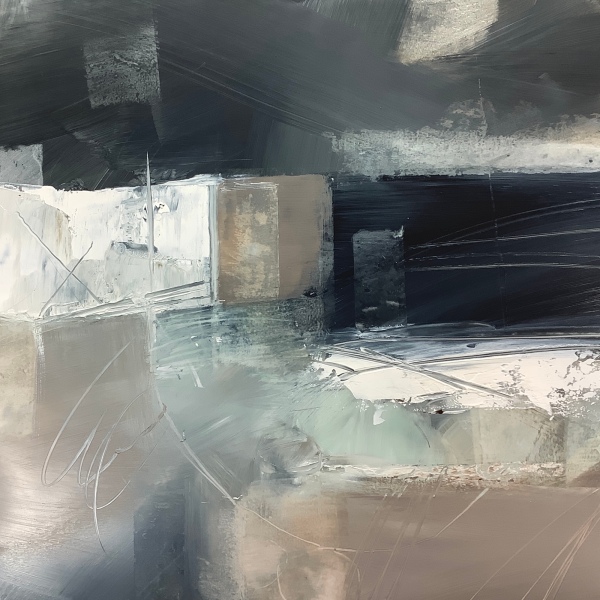
North Landing, Flamborough. Acrylic on Dura-lar. Mari French 2024

Back home in the studio I’m spending time working on those many impressions. Just now I’m trying out different media and methods till I find a combination that gives the results I want (not sure what they are, but I’ll know it when I see it).

Above, in acrylic paint on Dura-lar, a painting that recalls the moody light and weather of North Landing, Flamborough Head; Dura-lar is similar to drafting film and I love the way acrylic paint behaves on it; the way I can move and blend the paint, and scratch into it. Below, a monoprint in acrylic on tissue, created using a gelli plate.

I just wanted to share a few impressions of the many coves and cliffs around Flamborough Head that I’ve been working on since I returned. I’ll be posting more as I develop the series, on Instagram @marifrench and in a future post in this blog.

Thornwick Bay, Flamborough. Acrylic monoprint on tissue. © Mari French 2024
Limestone cliffs at Selwicks Bay, Flamborough Head. © Mari French 2024

Last of the gold …

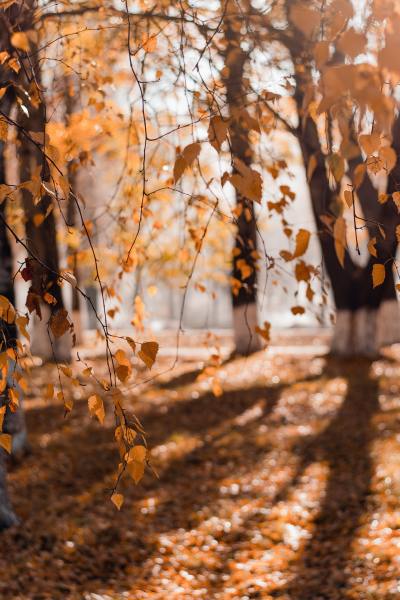
Inspired by glorious remnants of glowing colour in the woods on the way to my studio…

Bronze beeches, silver birch and sycamore. A carpet of copper leaves, drifts of small gold birch ‘coins’, blazing metals against charcoal branches.

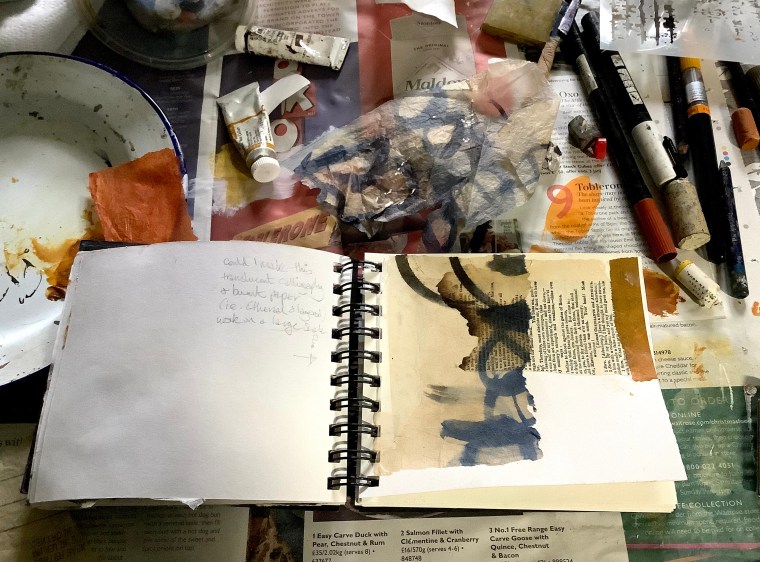
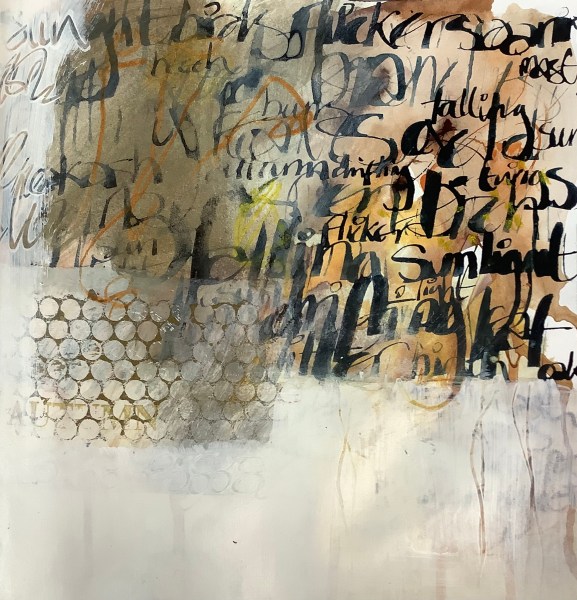
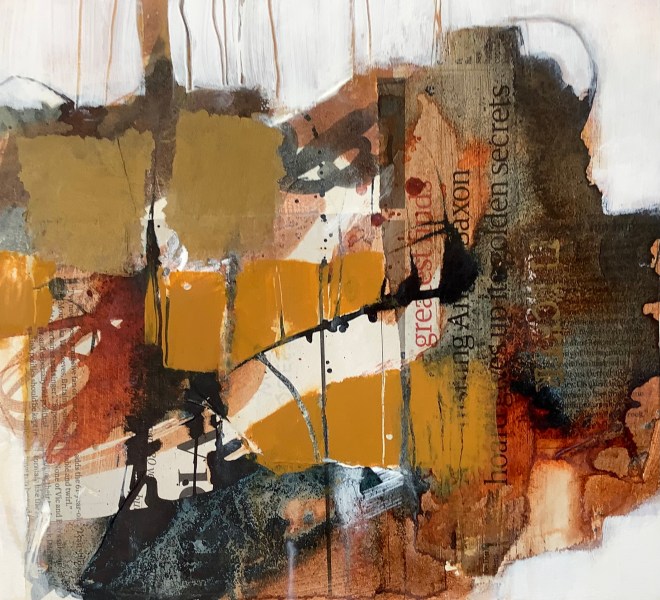
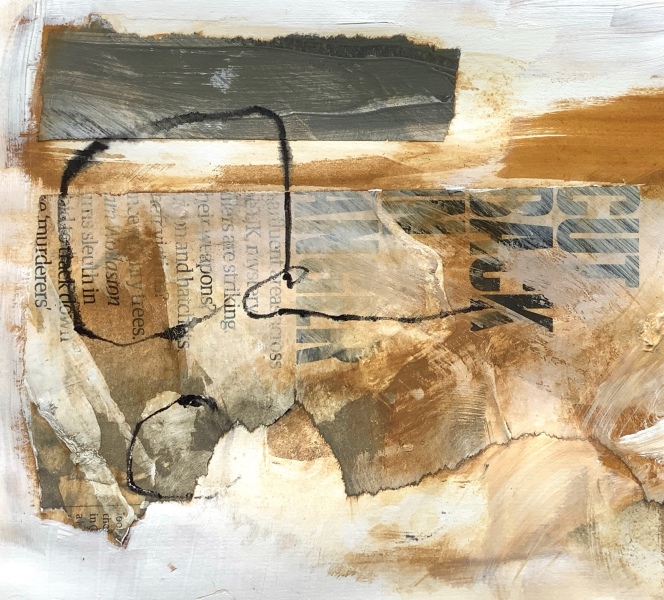
Since early November I’ve been responding to the ever-dwindling autumn colour in the surrounding woods and hedgerows, by experimenting in my studio workbook; simplifying, abstracting, finding ways of suggesting what I’ve experienced. Then with ink, acrylic, collage, calligraphy etc on individual works on paper.

Mari-French-studio-workbook
Mari-French-abstract-collage
Mari-French-abstract-autumn-woodland

It’s been enjoyable using a variety of my own calligraphy, collage and various ways of mark making, plus limited metallic touches. I like the way the lettering is also reminiscent of the bare branches of the increasingly denuded trees. As the autumn has given way to winter, the sparks and flickers of gold, deeper in the woods where there’s more shelter from the wind, have become all the more precious.

While I’ve enjoyed creating these works and spreads, I’d like to take the ideas further into abstraction. The simple collage in the photo of my studio workbook above top, although somewhat subdued, is the one I actually find most satisfying in it’s minimalism and use of space. It would be interesting to work on similar versions on a large scale at some point.

Top: photo by Irina Iriser from Pexels Above: photo by Abraham Braun from Pexels

Go back

Your message has been sent

Warning
Warning
Warning
Warning
Warning
Warning.

Art at the edge: developments

Dungeness workbook page © Mari French 2018

At last! Having had an enforced break from painting for a few weeks since before Christmas (hope you all had a good one!), my thoughts are turning once again to my most recent source of inspiration – Dungeness. Read my previous post ‘Art at the edge: Dungeness’ for more on how a recent holiday led to my fascination with this unique and strange place.

Dungeness workbook page © Mari French 2018

In this post I’m sharing a few recent pages from my current workbook, which I’ve produced since the small paintings in the last post, and I’m working through ideas for a series of mixed media pieces, inspired by my experience of Dungeness, hopefully eventually leading to large canvases. I’m hoping to get back in my studio soon to carry on developing these.

Dungeness workbook page © Mari French 2018Dungeness workbook page © Mari French 2018.
Dungeness workbook page © Mari French 2018

You can perhaps see from these experimental pieces that, as with my other work series, I’m exploring the shapes, linear motifs and colours that the place suggests to me, rather than trying to achieve anything recognisable, so I’m using a lime green for instance, to evoke the weird evening light (not grass!) and to suggest the latent power of the nuclear power station squatting on the edge of the area. I’ve previously used very little green in my artwork, but it feels right here somehow. Linear marks recall power lines, pylons, remains of tracks in the shingle, fences, telegraph poles etc.

Dungeness workbook page © Mari French 2018

In building up the workbook pages shown here, I used torn up pieces of scrap monoprints I’d produced with a gelli plate, while loosening up and playing with colours, textures and ideas. Then layered over with gouache, acrylic, homemade stencils and collage elements till I got the effect I wanted. I keep a box of scrap prints, textured card and assorted materials close to hand for when I’m messing about in the workbook, either incorporating them or using them for impressing or printing shapes. Sometimes it pays to be a hoarder!