salt and sand…

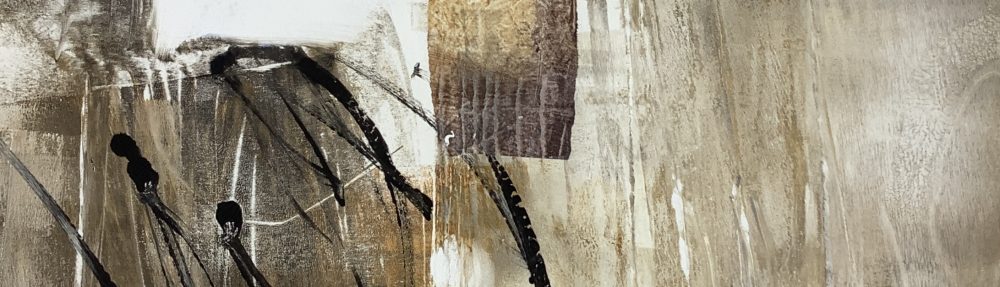
Saltmarsh series, mixed-media on canvas board. © Mari French

Saltmarsh series, mixed-media on canvas board. © Mari French

… happily working on the Saltmarsh series. Well, sometimes I’m happy, other times I’m cursing with frustration! 

Today was a calm, happy painting day.

Some of these works are for my upcoming solo show at Creake Abbey, North Norfolk, where Fineline Frames are hosting a selection of my work (which they have beautifully framed). It runs from 5th September onwards for the month.
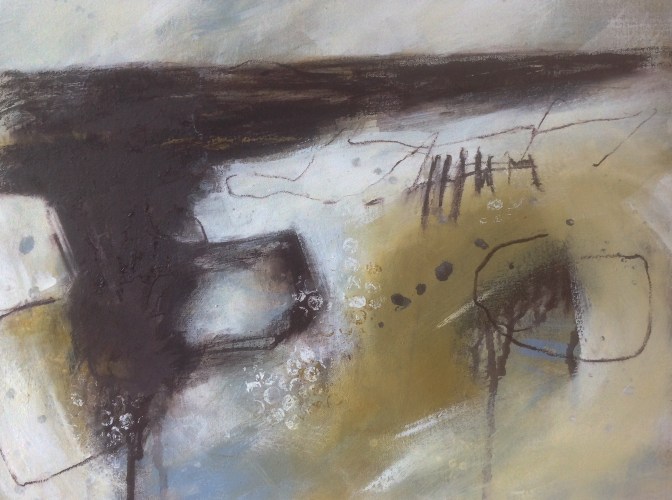
Saltmarsh series, mixed-media on canvas. © Mari French

Saltmarsh series, mixed-media on canvas. © Mari French

Meanwhile, I’ve been invited by a contemporary Edinburgh venue, The Sutton Gallery on Dundas Street in the vibrant New Town district, to show four works, three of which are from the new Saltmarsh series. These will be on view as part of their mixed summer show, which runs from 4th to 29th August 2015 and coincides with the Edinburgh Festival.
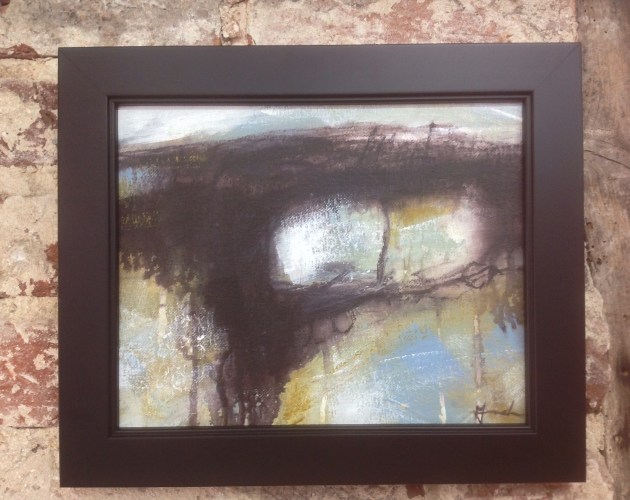
Saltmarsh series, mixed-media on canvas board. © Mari French

Saltmarsh series, mixed-media on canvas board. © Mari French


Saltmarsh series, mixed-media on canvas board. © Mari French

Saltmarsh series, mixed-media on canvas board. © Mari French


Saltmarsh series, mixed-media on watercolour board. © Mari French
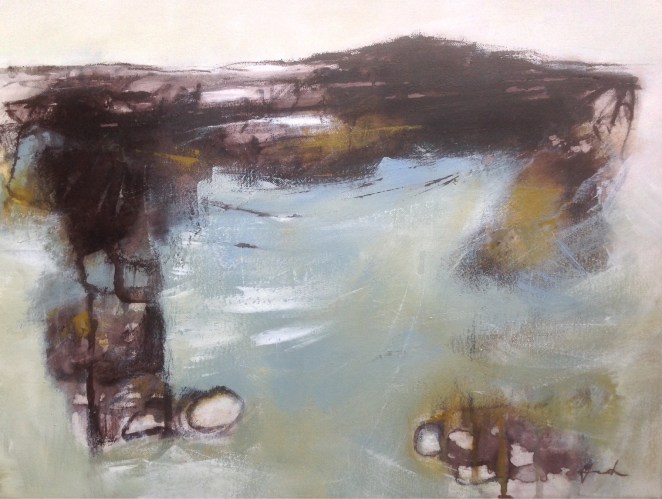
Saltmarsh series, mixed-media on watercolour board. © Mari French


rising tide …

Painting in between Open Studios this week. This one started off as another in my current Saltmarsh series…

tide coming in. Ink & acrylic on canvas. Mari French 2015

tide coming in. Ink & acrylic on canvas. Mari French 2015

… but then the tide came in.

a saltmarsh is born…

Subsequent tides. Mixed media on paper. © Mari French 2015

Subsequent tides. Mixed media on paper. © Mari French 2015

The following is an extract from an interesting post I recently came across, giving a useful insight into the saltmarsh coast of Norfolk, the subject of my current artworks :

November Saltmarsh

In Norfolk there are amazingly few habitats which are self-forming and self-maintaining – which therefore require no intervention from conservationists to keep them as they are – and almost all of them are associated with the sea, its winds, its waves and its tides.

… the tide … helps make two fascinating and oft-ignored Norfolk habitats. Two of the wildest, least human-led habitats in Norfolk at that: mudflat and saltmarsh. In areas sheltered from the intense energy of the waves, such as enclosed bays and the harbours behind spits, the finest sediments in the water – tiny particles of silt – are deposited at the top of the tide, where the water has least energy. These particles cling to one another and where they are not shifted by subsequent tides they form a tenuous, easily-moved mudflat. Where conditions allow, filamentous algae colonise the mudflat, followed by what botanists call glasswort and in Norfolk we call samphire. These plants stabilise the flat and encourage more silts and clays to settle.

A saltmarsh is born.

Nick Acheson, Norfolk Wildlife Trust

norfolkwildlifetrust.blogspot.co.uk

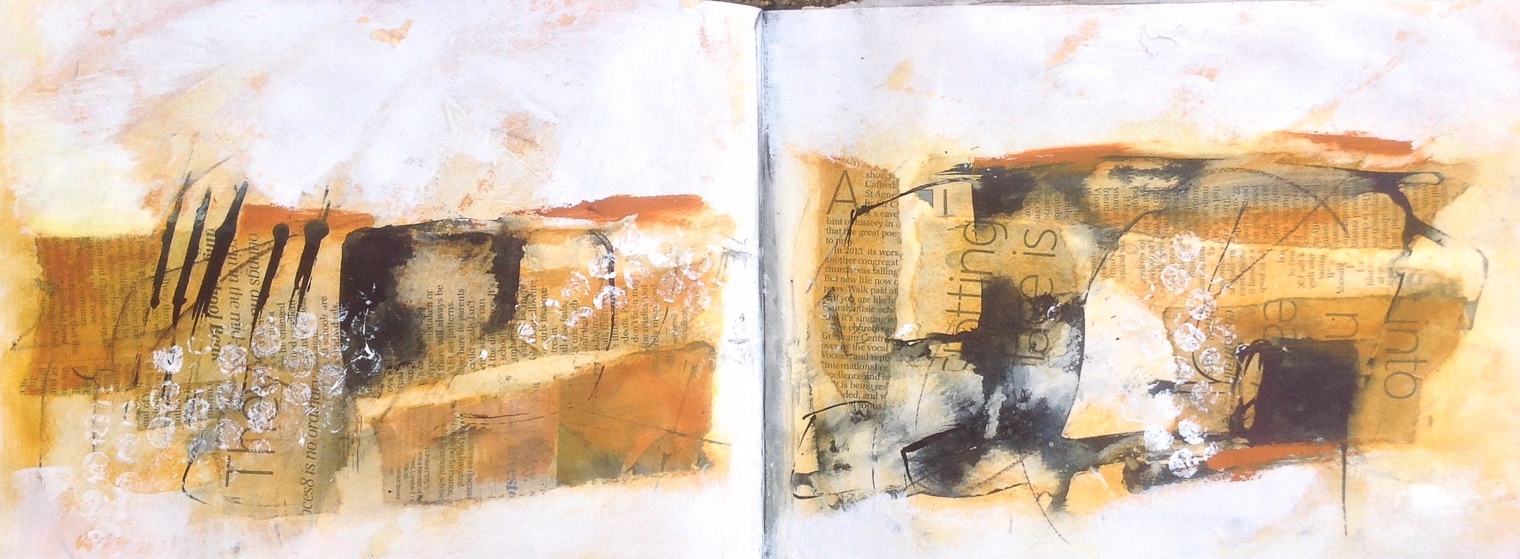
Overy Marsh. Workbook spread. © Mari French 2015

Overy Marsh. Workbook spread. © Mari French 2015


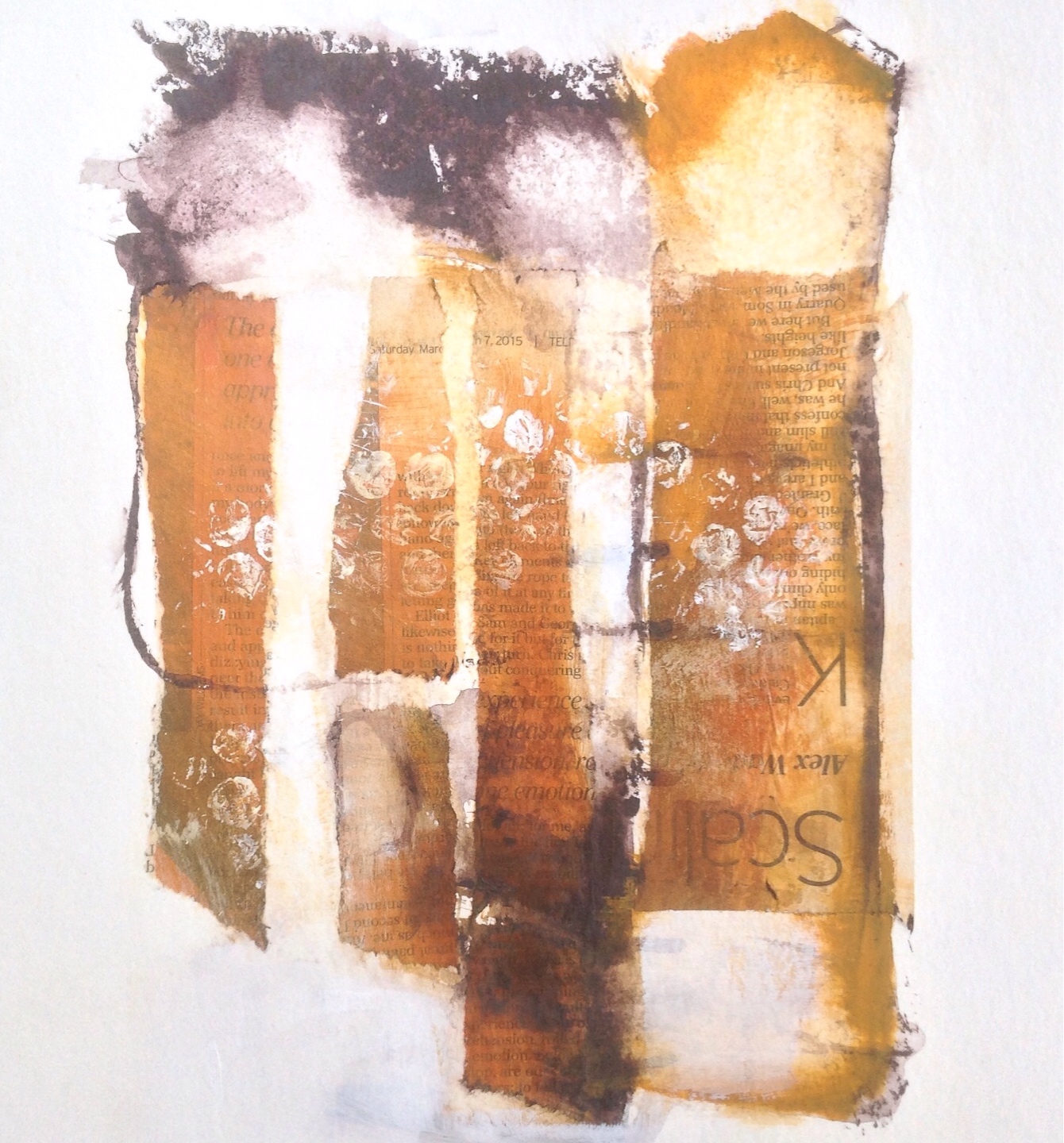
But here we are. Overy Marsh. Mixed media on paper. © Mari French 2015

But here we are. Overy Marsh. Mixed media on paper. © Mari French 2015