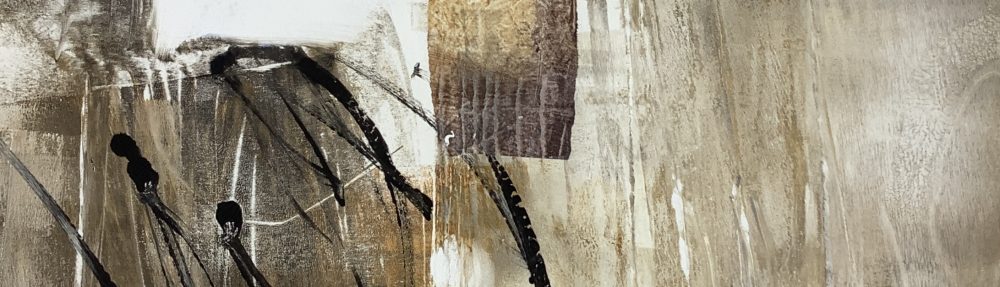
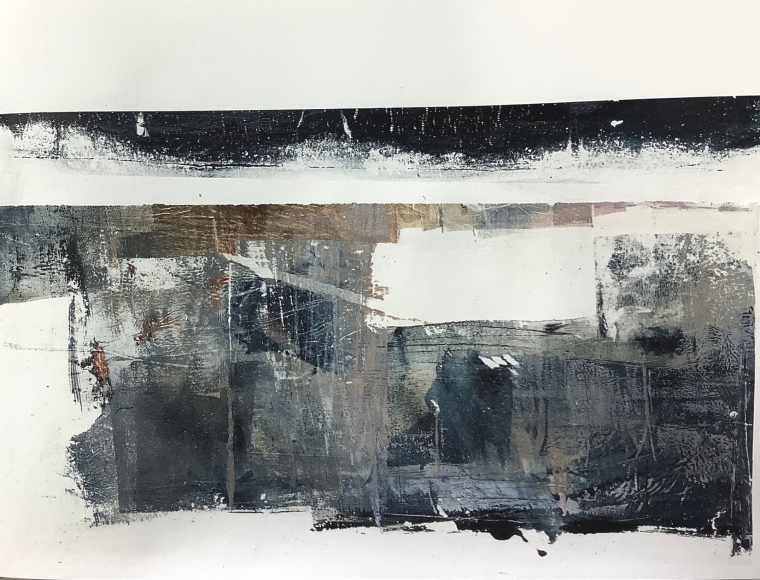
It’s been a year of ups and downs, stresses and a few successes, plus a lovely new studio which has been a lifeline for my work. So, apologies to my readers for such a gap in posts, but I’m back now and progressing a ‘new’ series of work (and a few exhibitions to work towards next year). I qualify ‘new’ because while this work is still related to my ongoing obsession with the saltmarsh coast, it feels different, deeper.

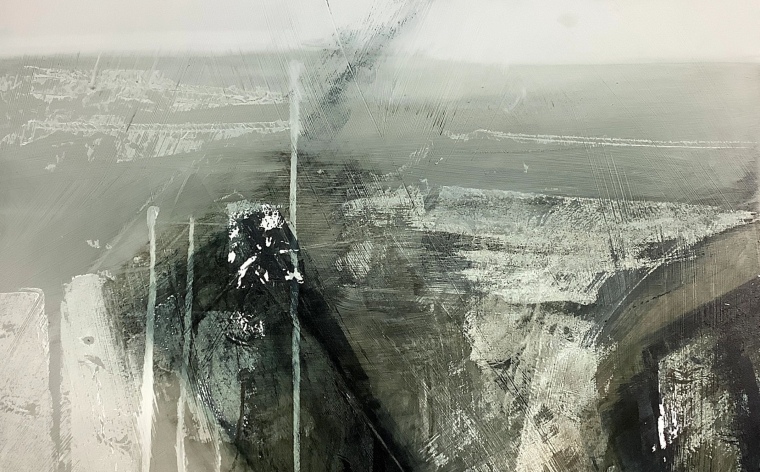
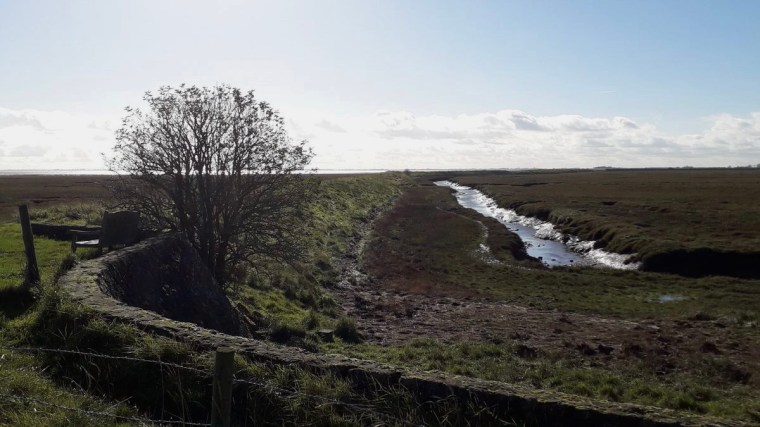
The emphasis in this current work is on tidal creeks, snaking through the marsh, mercurial light reflecting the huge overhead skies; the dark mudflats around them. I recently visited the saltmarshes near Leiston Shore on the East Lincolnshire coast, across the wide expanse of the Wash from North Norfolk. The visit gave me a different perspective, and I also learned a bit more about this unique landscape habitat through the work of photographer Steve Thornton. His project ‘Invisible Carbon’ has produced many sublime dramatic photographs of the Lincolnshire saltmarshes and the accompanying text reveals much about the worth of these unique landscapes as a hugely valuable ecosystem in the fight against global warming. You can read more on his work here.
© Mari French 2023.
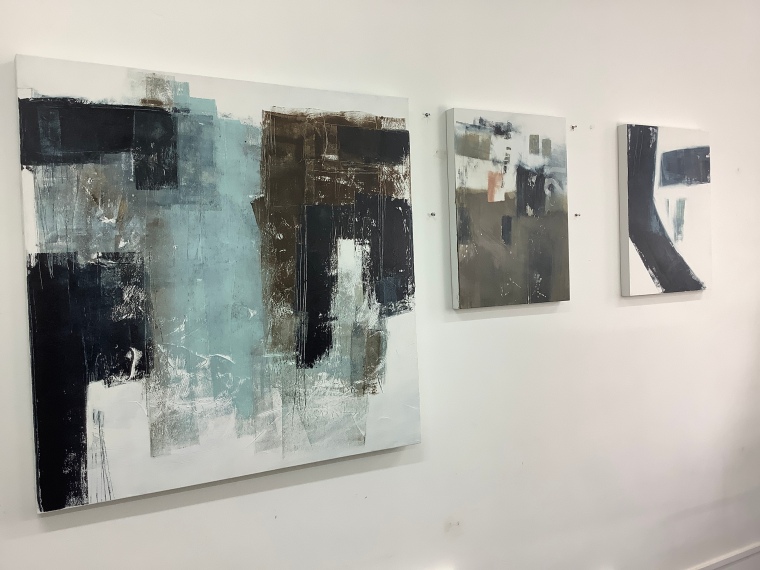
In developing this series of work my palette has become more subdued: warm umbers, soft blue-greys, indigo, a touch of pinkish siennas. I love the subtlety and it works well with the subject matter. I’m enjoying working on smooth cradled wood panels, altering them with brushed gesso before painting on them. The resulting texture and subsequent application and removal of paint is producing interesting atmospheric effects.
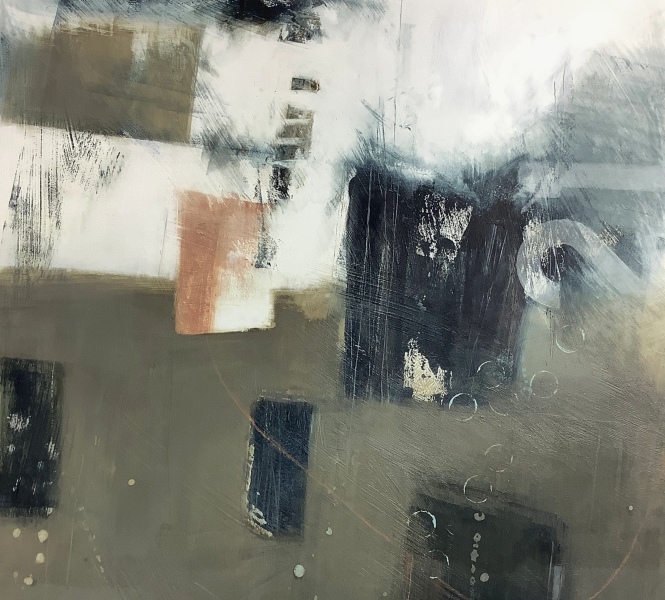
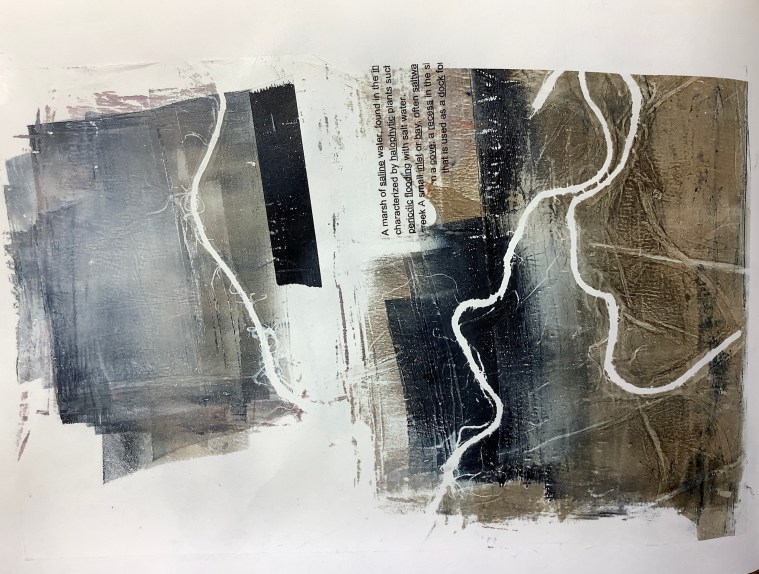
It has been productive spending time exploring the subject of tidal creeks and saltmarsh in my studio workbook, by creating collage papers with a gelli plate and assembling them; allowing experimentation with combinations of pattern, line and space and possible ways of referencing my experience of the subject. A few are included in this post.

© Mari French 2023.
I’m really enjoying pursuing this work and to seeing how it develops. I hope you’ve enjoyed the read and the images.




 One day we stumbled on the old church of St Martin-cum-Gregory in the Micklegate area, which happened to be showing a completely stunning exhibition of the sculpture of Harold Gosney. Unfamiliar till now with his work, this was a beautifully curated retrospective (by the Stained Glass Centre) in a beautiful space. Gosney has worked in stone, riveted copper and wood for the past 60 years, mainly capturing the essence of horses, birds and the human figure. His work is also on display at Ripon Cathedral. More on Harold Gosney and his work




 Mari French RI : contemporary artworks