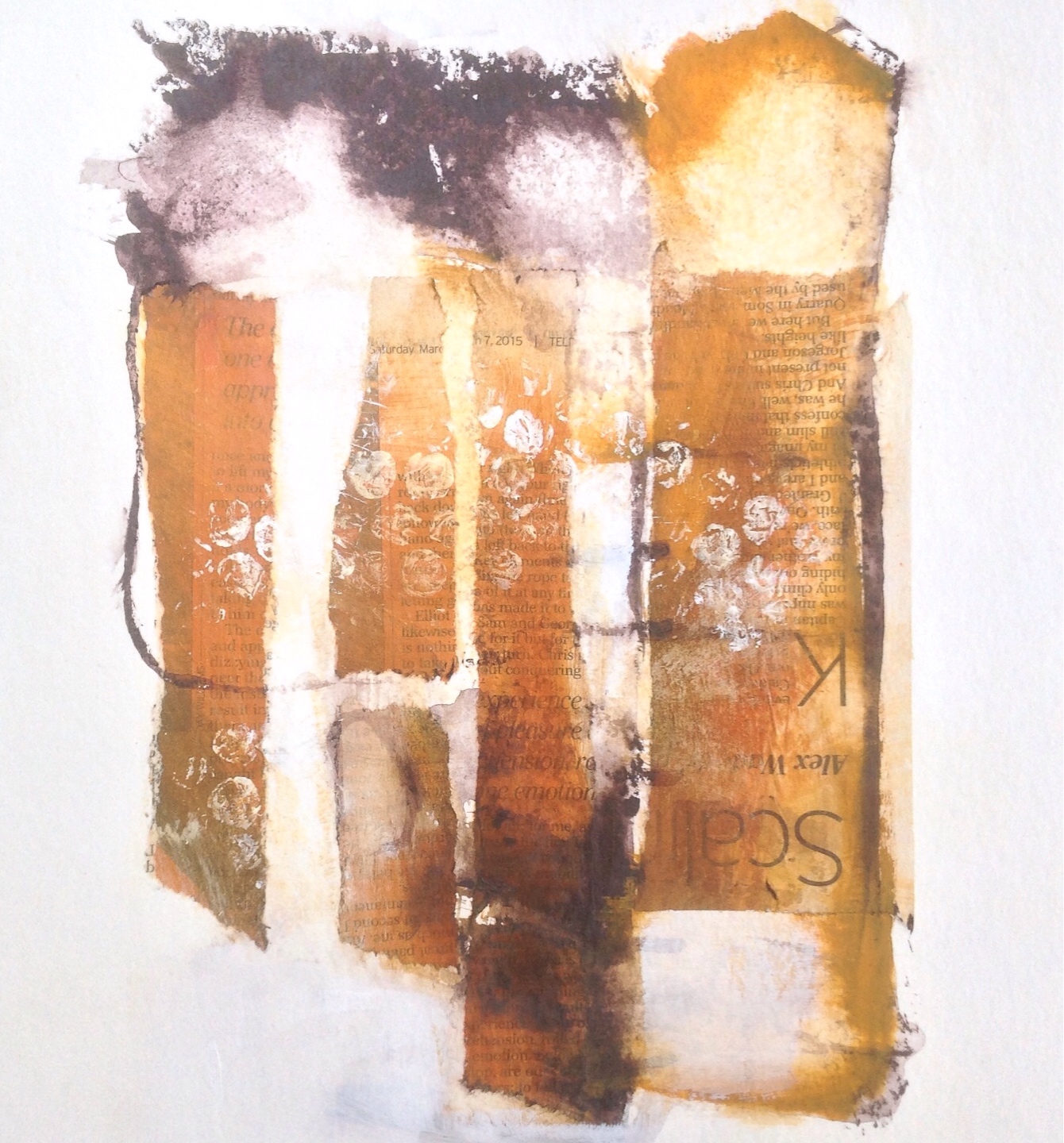
abstracts for the open


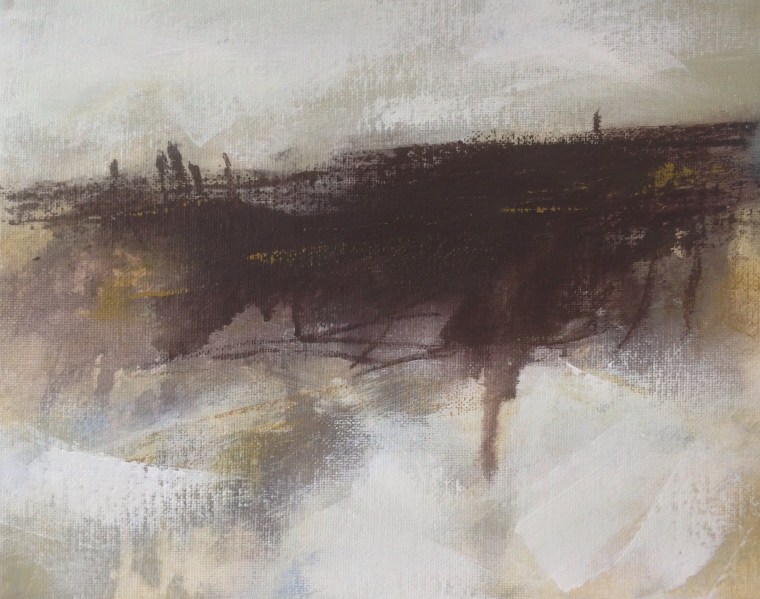
Acrylic/ink on canvas board, Mari French 2015.


I’ve enjoyed painting a few more of these small abstracts this past week, just in time for Norfolk Open Studios this coming weekend. I’m opening 23, 24, 25 and 30, 31 May up in my eyrie – my hayloft studio in Harpley, West Norfolk.

If you’re able to visit you can see them in the flesh! This link will give details and map.

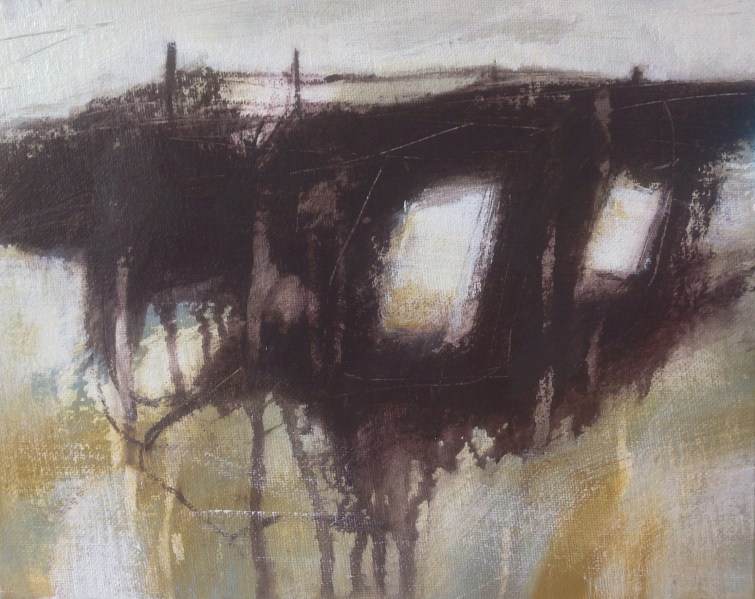
Acrylic/ink on canvas board, Mari French 2015.


Acrylic/ink on canvas board, Mari French 2015.


Art Fair East, Norwich …

Art Fair East, Norwich, 4 to 7 June

I’m excited to be taking part in this new Art Fair for the East of EnglandAlong with Heather Tamplin, Helen Herbert, Alain Mansfield and Gavin Morris we will be sharing a large stand as The Collective, Norfolk.

A wide variety of artists, groups and galleries are lined up, so it looks like it’s going to be a special event. It’s my first Art Fair too, so wish me luck.

Norwich is a beautiful small ancient city and the fair is being held in its medieval heart, in the spectacular setting of St Andrew’s Hall, another reason to visit!

Private View is on Thursday 4th June 6-8.30pm

Email me at info@marifrench.com for a complimentary ticket which, if you print it out, (or show it on your phone at the door), will give you free entry all weekend.

Friday 5 June 10.30am to 8.30pm
Saturday 6 June 10.30am to 6.30pm
Sunday 7 June 10.30am to 5.00pm


The Halls, St Andrews Plain, Norwich, NR3 1AU
4 to 7 June 2015

Map, directions, further info


a saltmarsh is born…

Subsequent tides. Mixed media on paper. © Mari French 2015

Subsequent tides. Mixed media on paper. © Mari French 2015

The following is an extract from an interesting post I recently came across, giving a useful insight into the saltmarsh coast of Norfolk, the subject of my current artworks :

November Saltmarsh

In Norfolk there are amazingly few habitats which are self-forming and self-maintaining – which therefore require no intervention from conservationists to keep them as they are – and almost all of them are associated with the sea, its winds, its waves and its tides.

… the tide … helps make two fascinating and oft-ignored Norfolk habitats. Two of the wildest, least human-led habitats in Norfolk at that: mudflat and saltmarsh. In areas sheltered from the intense energy of the waves, such as enclosed bays and the harbours behind spits, the finest sediments in the water – tiny particles of silt – are deposited at the top of the tide, where the water has least energy. These particles cling to one another and where they are not shifted by subsequent tides they form a tenuous, easily-moved mudflat. Where conditions allow, filamentous algae colonise the mudflat, followed by what botanists call glasswort and in Norfolk we call samphire. These plants stabilise the flat and encourage more silts and clays to settle.

A saltmarsh is born.

Nick Acheson, Norfolk Wildlife Trust

norfolkwildlifetrust.blogspot.co.uk

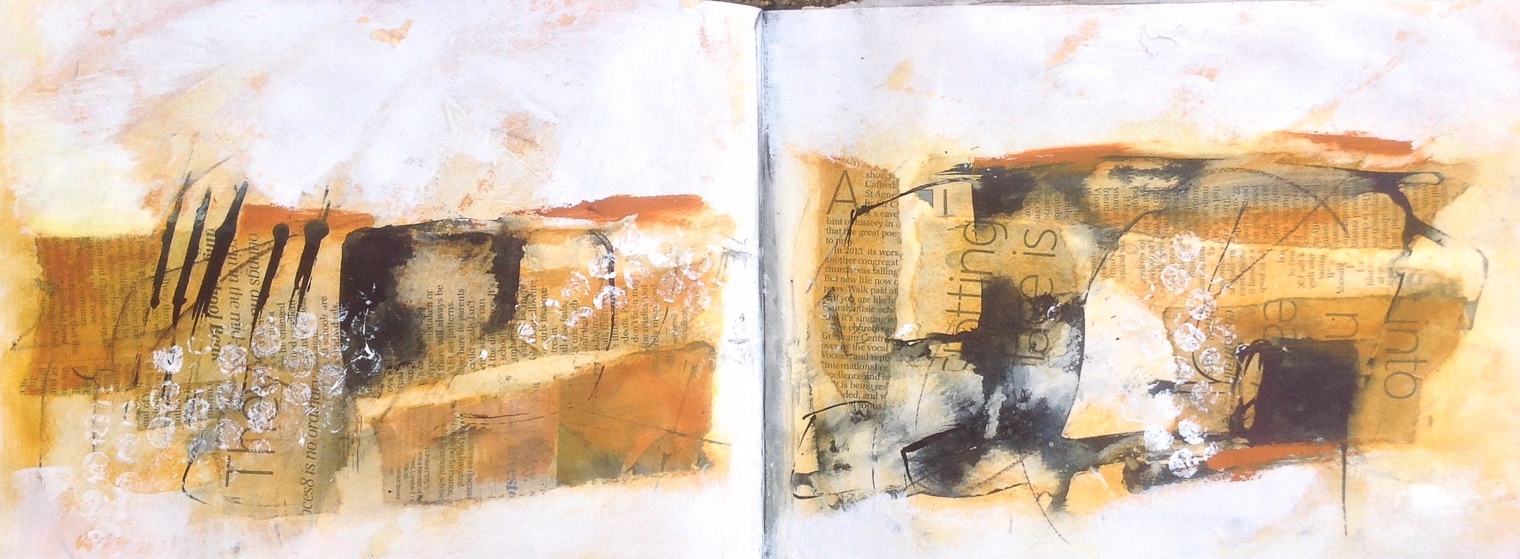
Overy Marsh. Workbook spread. © Mari French 2015

Overy Marsh. Workbook spread. © Mari French 2015


But here we are. Overy Marsh. Mixed media on paper. © Mari French 2015

But here we are. Overy Marsh. Mixed media on paper. © Mari French 2015