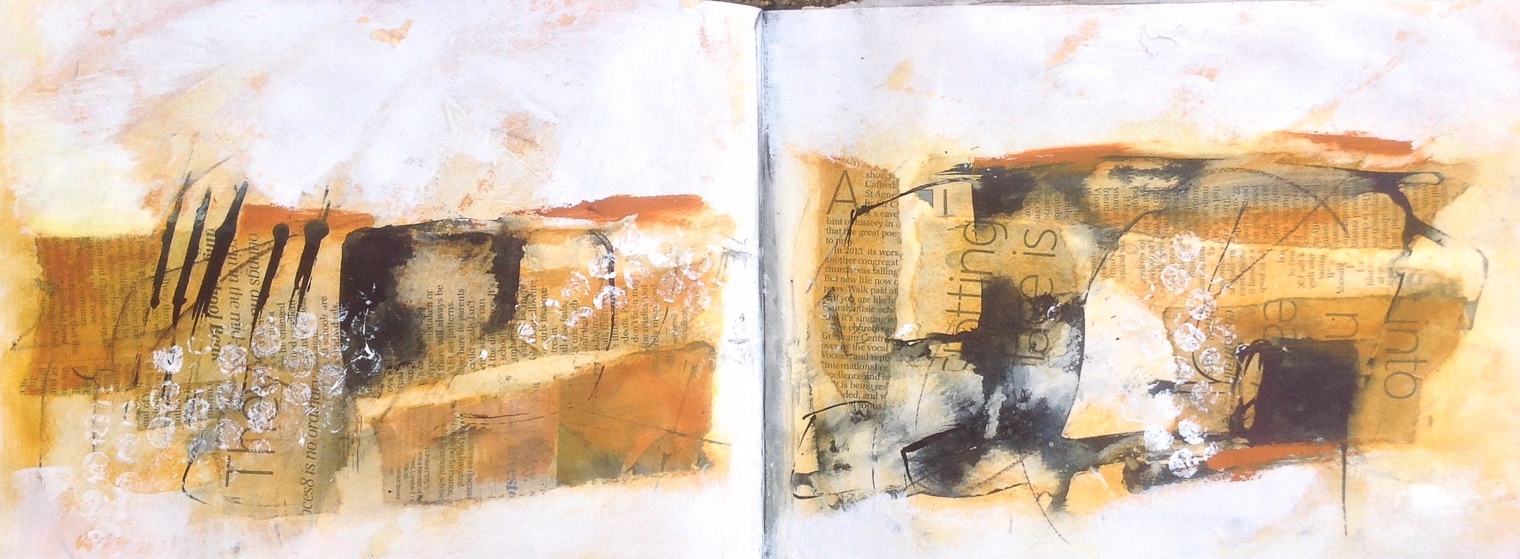
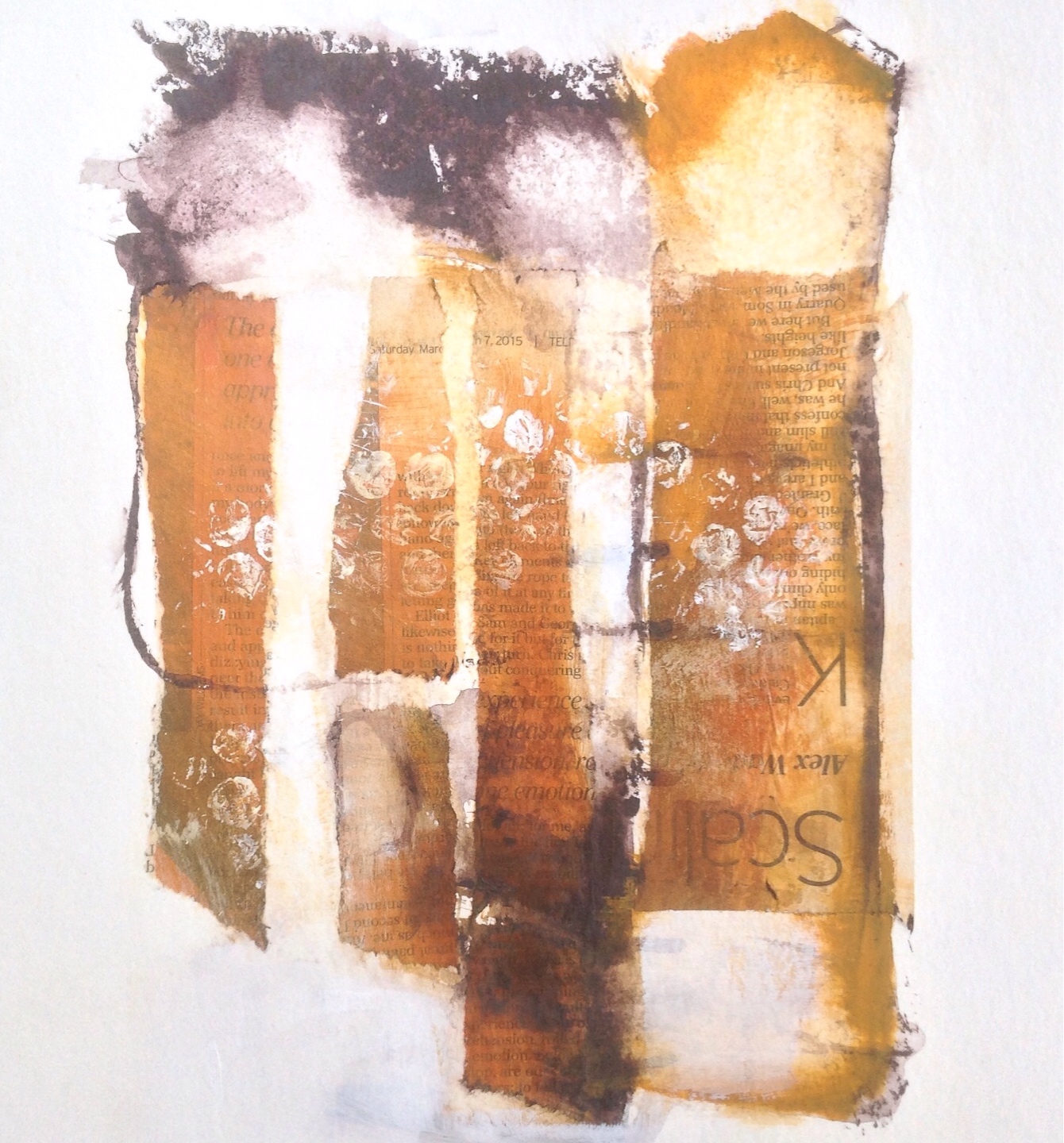
abstracts for the open


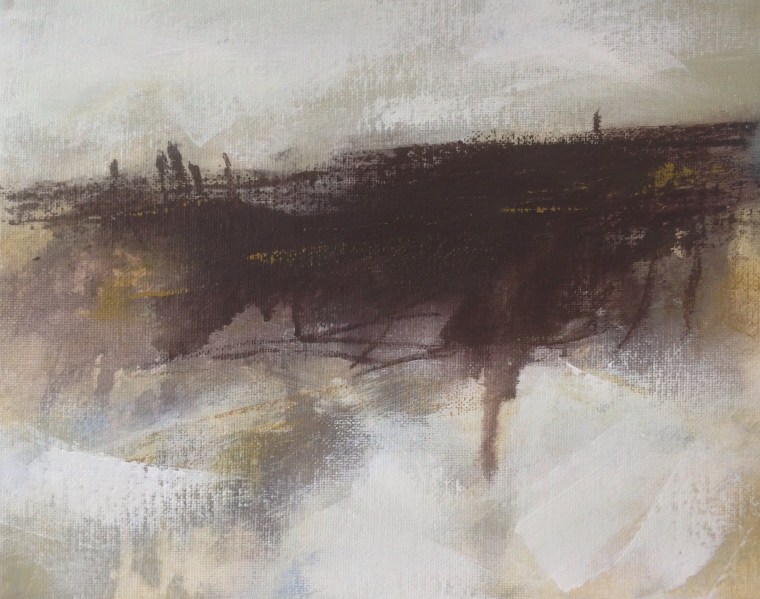
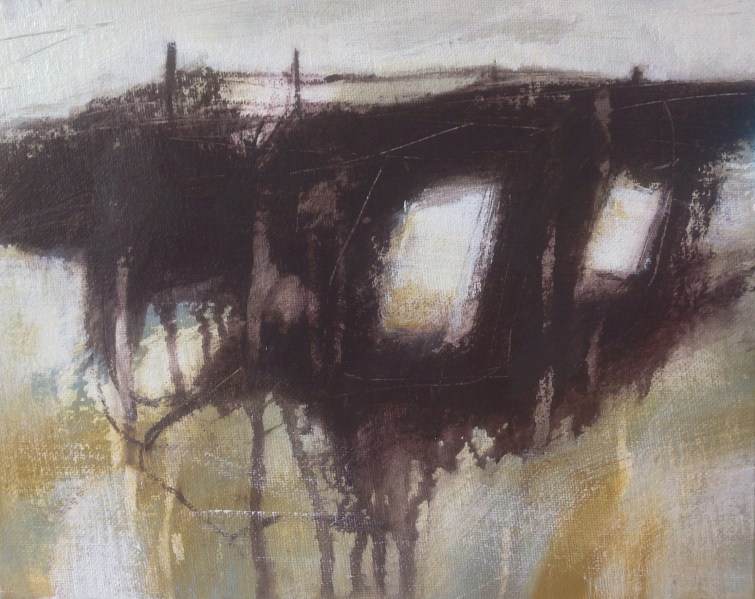
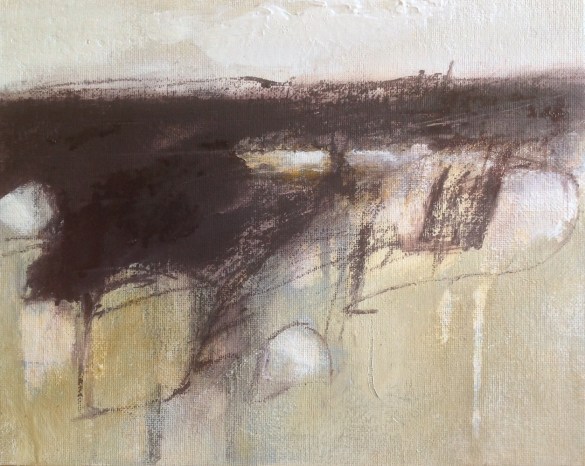
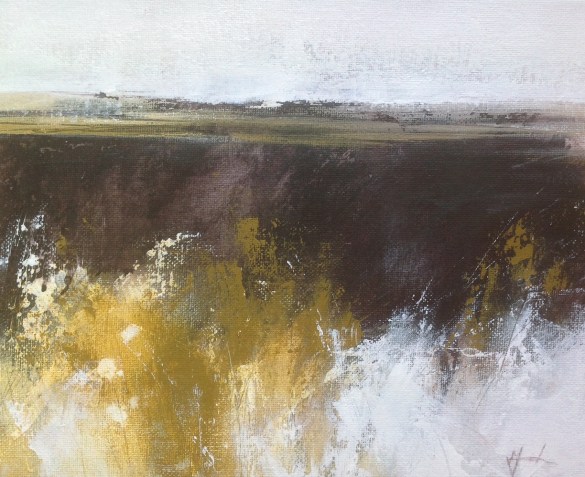
Acrylic/ink on canvas board, Mari French 2015.


I’ve enjoyed painting a few more of these small abstracts this past week, just in time for Norfolk Open Studios this coming weekend. I’m opening 23, 24, 25 and 30, 31 May up in my eyrie – my hayloft studio in Harpley, West Norfolk.

If you’re able to visit you can see them in the flesh! This link will give details and map.

Acrylic/ink on canvas board, Mari French 2015.


Acrylic/ink on canvas board, Mari French 2015.


meanwhile back at the easel …


Untitled, Mari French 2015

Untitled, Mari French 2015


It was good to be back in the studio painting last couple of days, after nearly three weeks of a horrible chest infection picked up on holiday in Venice. 

These are two small works in acrylic and Inktense stick on canvas board I finished today. I’m hoping to produce a few more before Norfolk Open Studios in 10 days, so I’ll have a few affordable pieces available aside from recently framed collagraph prints. I admit I’ve been panicking a bit wondering if I’d be well enough to prepare in time!

As with much of my recent work, these are inspired by Norfolk’s Saltmarsh Coast and I’ve deliberately kept to a limited palette of two acrylic colours plus my favourite Inktense colour, which I think adds to their atmosphere. I love the way the Inktense works with the canvas grain when I use it with lots of water.

Still thinking up titles.

Untitled, Mari French 2015

Untitled, Mari French 2015


a saltmarsh is born…

Subsequent tides. Mixed media on paper. © Mari French 2015

Subsequent tides. Mixed media on paper. © Mari French 2015

The following is an extract from an interesting post I recently came across, giving a useful insight into the saltmarsh coast of Norfolk, the subject of my current artworks :

November Saltmarsh

In Norfolk there are amazingly few habitats which are self-forming and self-maintaining – which therefore require no intervention from conservationists to keep them as they are – and almost all of them are associated with the sea, its winds, its waves and its tides.

… the tide … helps make two fascinating and oft-ignored Norfolk habitats. Two of the wildest, least human-led habitats in Norfolk at that: mudflat and saltmarsh. In areas sheltered from the intense energy of the waves, such as enclosed bays and the harbours behind spits, the finest sediments in the water – tiny particles of silt – are deposited at the top of the tide, where the water has least energy. These particles cling to one another and where they are not shifted by subsequent tides they form a tenuous, easily-moved mudflat. Where conditions allow, filamentous algae colonise the mudflat, followed by what botanists call glasswort and in Norfolk we call samphire. These plants stabilise the flat and encourage more silts and clays to settle.

A saltmarsh is born.

Nick Acheson, Norfolk Wildlife Trust

norfolkwildlifetrust.blogspot.co.uk
Overy Marsh. Workbook spread. © Mari French 2015

Overy Marsh. Workbook spread. © Mari French 2015


But here we are. Overy Marsh. Mixed media on paper. © Mari French 2015
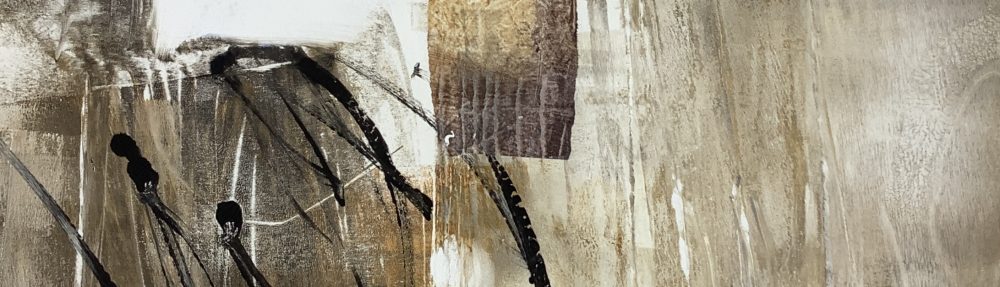
But here we are. Overy Marsh. Mixed media on paper. © Mari French 2015