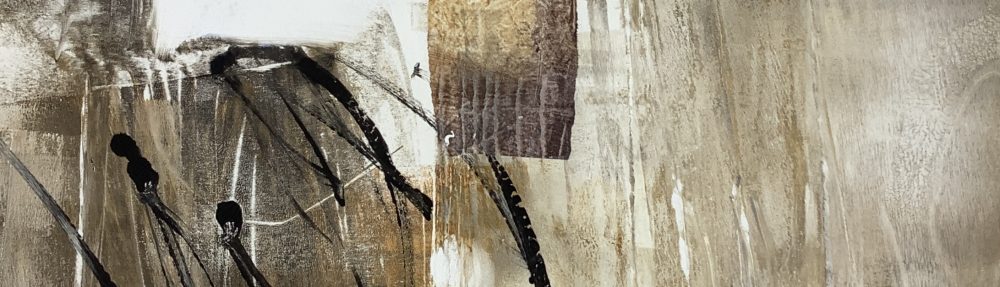
a sea change …

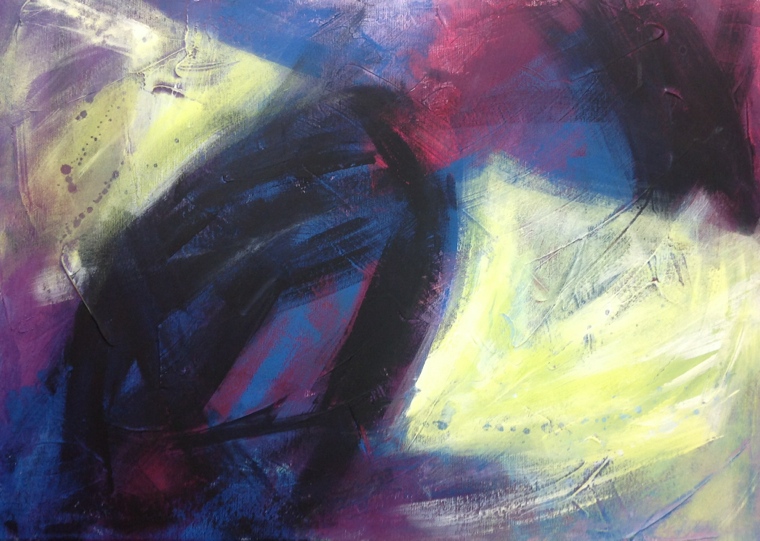
Coastlines, abstract painting in purple and blue.

Coastlines, abstract 1. Mari French 2014


I’ve been using a lot of blue lately … Prussian, turquoise, aqua… mainly due to painting like mad for an upcoming solo show at Greyfriars Art Space in King’s Lynn, this September.

The exhibition will hinge on the theme of coastlines, namely the rugged and dramatic coast of Cape Cornwall, where I spent an art residency back in March, and the contrasting and more serene (usually!) expanse of beaches and salt marsh that make up the North Norfolk coast, where I often go walking and sketching.

But I hit a creative block last week… couldn’t face more blue seas, not for a while anyway. I was stuck… stalled… needed a jolt to the system. What to do? Actually, what a lot of artists turn to in these circumstances… a change of palette (a change of subject matter is not really an option at the moment and not necessary, I enjoy painting coastal landscape, I just needed a fresh angle).

I turned all my recent coastal paintings to the wall, put my usual acrylic tubes out of the way and grabbed Permanent Rose and Cerulean blue (okay, still blue but somehow different when used with pink!) along with a luscious plummy Inktense stick and set to it with abandon on two fresh canvases I’d prepared with texture paste. (as you may know I prefer not to start with a flat surface).

I then needed a contrast, so used a mix of lemon yellow and white, with a touch of Chromium oxide. These are the results, still in progress, I’ve added a few more brush strokes since, but I enjoyed it tremendously. I like the zingy colour contrast and lively lines. In the second canvas (below) I’ve used paynes grey with a brush instead of the Inktense stick.
Coastlines, abstract in pinks and blues.

Coastlines, abstract 2. Mari French 2014 


It may seem obvious, but it’s something I have to remind myself of now and then… as artists we don’t have to follow rules, use representative colours, shapes, imagery etc (unless we want to)… we can please ourselves… make it up… 

I wish it was as easy as it sounds. I’m learning that it takes practice, and a bit of ‘to hell with it here goes’ to ring the changes. But it’s worth it for the sense of exhilaration produced. I believe it’s important to please ourselves as artists if we want to produce work of integrity and develop our own style.

No doubt I’ll still feel the urge to paint less abstract landscapes/seascapes, but I can’t help wondering if at some point in the near future I’ll be producing work more like these. Either way, this seems like a necessary stage (see last comment below).

And for those interested, below is the painting I was working on before the artworks above. I’m pleased with it, and I know there are plenty of people who will prefer it. But you don’t progress if you don’t experiment/play, right? In fact, if I hadn’t experimented in the past, I wouldn’t have had the ability to produce that loose lively abstracted area in the foreground suggesting waves crashing on rocks. Thoughts on this topic or on the paintings are, as always, very welcome.

Towards Lands End. Coastal abstracted painting.

Towards Lands End. Acrylic on canvas. Mari French 2014.


a wilder sea… a Cornish art residency

Wild sea 1. Acrylic on board. Mari French 2014

Wild sea 1. Acrylic on board. Mari French 2014

In March I spent two weeks painting and sketching the coastline and mine ruins around Cape Cornwall, near Lands End, courtesy of an art residency I was awarded at Brisons Veor. Brisons Veor is a house (formerly the boiler house of Cape Cornwall mine) run by a charitable trust and has provided residencies for creatives since 1978; many artists in all media have been inspired by staying there. 

Sketching the Brisons

Sketching the Brisons

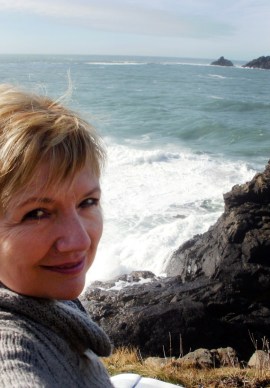
To be able to spend time intensively painting, exploring and sketching on my own without life’s usual distractions, in such an inspiring location was an invaluable experience. I lived, ate, slept and worked upstairs in the large sitting room/studio which looked out over Priest’s Cove and the Atlantic. The last time I lived on my own was back in 1995. I expected to find the isolation a challenge but knew it would be good for my mental and creative makeup. 


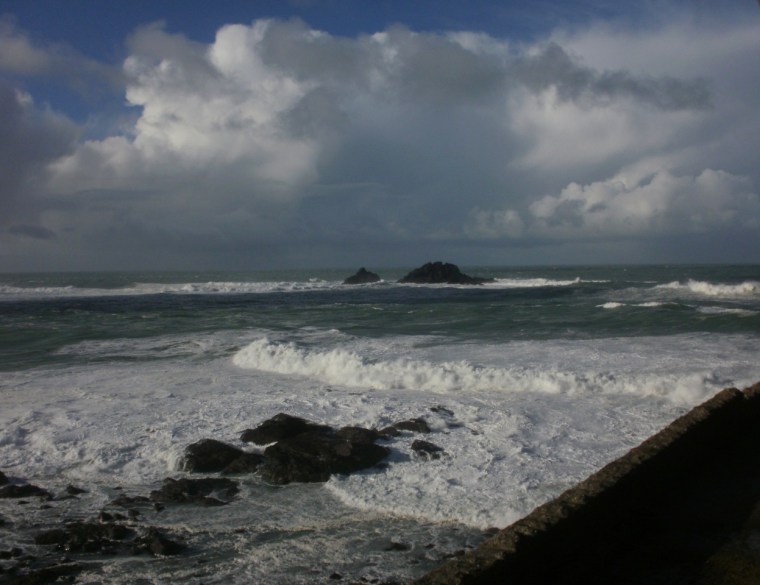
The Brisons from Brisons Veor. Mari French 2014

The Brisons from Brisons Veor. Mari French 2014

In this spectacular location – the house is thought to be the westernmost on the English mainland – I painted furiously, inspired by the wild seas beneath and beyond me, producing several paintings, the start of a series of abstract studies based on the local mining areas and a fairly stuffed sketchbook, bursting with source material for future work.

I initially applied for the residency to be able to spend more time gathering material from the tin and copper mining ruins around St Just, which had caught my attention on previous trips to the area. But I ended up spending almost as much time trying to capture the motion, power and shape of the powerful Atlantic tides that filled the coves around the Cape.

Squalls over Lands End, from Brisons Veor (workbook) ©Mari French 2014

Squalls over Lands End, from Brisons Veor (workbook) ©Mari French 2014

The weather the first week was very stormy, wet and windy but produced some huge powerful seas and as the upstairs studio door opens out onto a small balcony I was able to paint direct from the source, an exhilarating experience that I know will have an effect on my future sea abstracts. I live in Norfolk where the beautiful and extensive coastline is (tidal surges aside) much tamer than the Cornish coast.

Priests Cove abstract (workbook). © Mari French 2014

Priests Cove abstract (workbook). © Mari French 2014

There were wild days when flakes of sea foam flew high over the house, making Priest’s Cove look like a car wash; days when the highest waves in the world (as I was informed by a Penzance local) rolled in from the Atlantic; and days when the loneliness and the gloom, the rain and the wind drove me, desperate for company, to the cosy CookBook cafe in St Just for comforting tea and cake.

Wild sea 2. Acrylic on board. Mari French 2014.

Wild sea 2. Acrylic on board. Mari French 2014.

So I painted the sea… as it hurled itself into the cove and against the cliffs… fast, furious but exhilarating work, and I produced a few finished pieces and many sketchbook studies. 

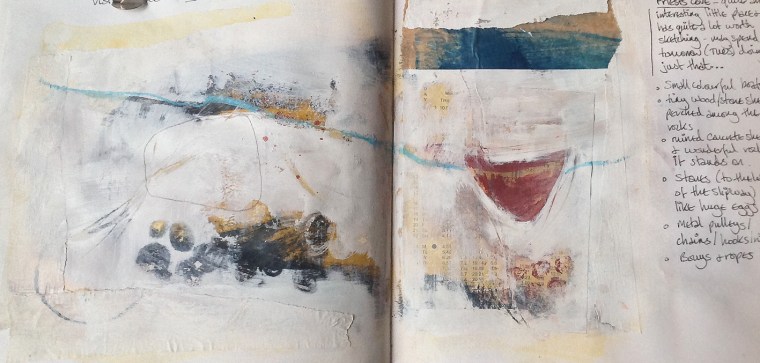
Priests Cove, a National Trust SSSI site, also proved an inspiring wealth of motifs and abstract imagery, from the strange egg-shaped stones to the storm-battered fishing sheds and huddled group of colourful fishing craft.

Priests Cove (workbook) © Mari French 2014

Priests Cove (workbook) © Mari French 2014

Detail, Priests Cove. © Mari French 2014

Detail, Priests Cove. © Mari French 2014

In the warmer sunnier weather of the second week I found myself unwinding at last, greeting the gulls and enjoying the sunshine as it poured into the studio. I began to tackle short, but arduous (for me), roller coaster sections of the coastal path, over to Kenidjack, sketching the coastline below and the ruins of engine houses and chimneys as I went, and in the other direction, up to Carn Gloose, accompanied only by the sounds of skylarks and crows.

Priests Cove from Brisons Veor. © Mari French 2014

Priests Cove from Brisons Veor. © Mari French 2014

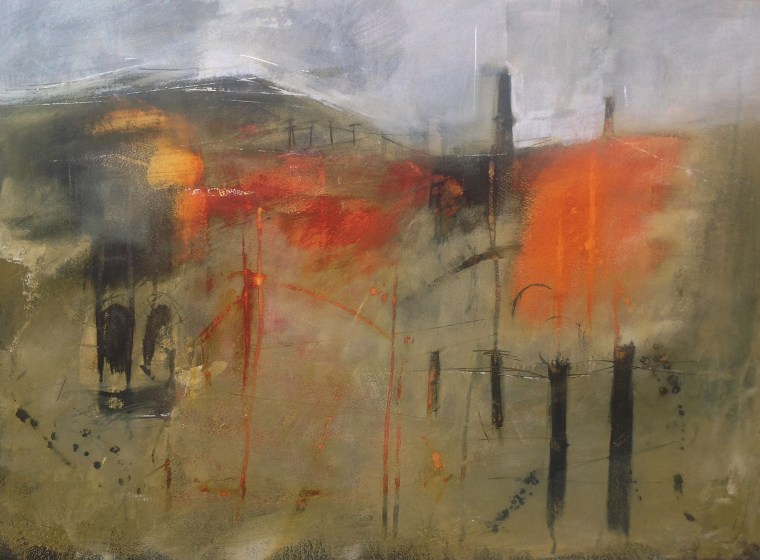
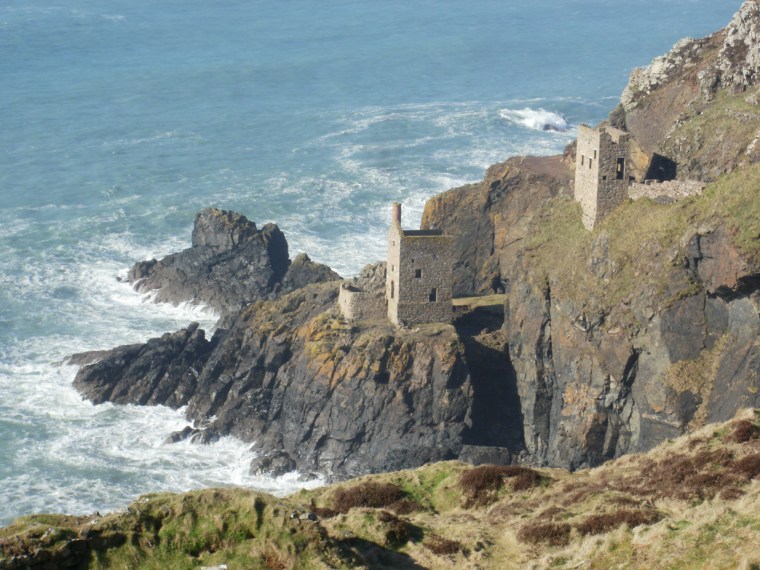
I explored, sketched and photographed at Levant and Bottallack mines, and at Geevor Mine where the kind staff allowed me access and time to explore and paint in the huge labrynthine tin-processing mill (officially closed to the public until Easter). Wonderful rust-coloured, dust-covered place, now almost silent where it would once have been a clamouring hell. 

The Tinners Coast, acrylic on board. © Mari French 2014

The Tinners Coast, acrylic on board. © Mari French 2014

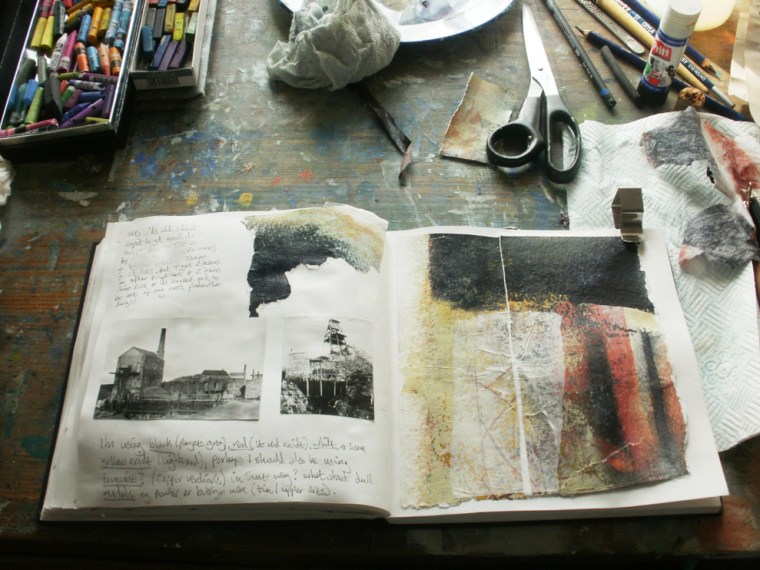
Mining imagery, workbook. © Mari French 2014

Mining imagery, workbook. © Mari French 2014

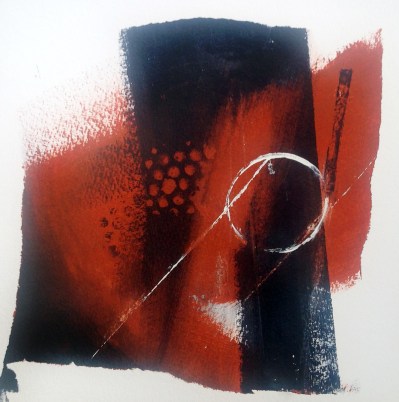
Mining study 1, acrylic on paper. © Mari French 2014

Mining study 1, acrylic on paper. © Mari French 2014

Back at Brisons Veor studio I began a series of small abstract works on paper based on these visits and am keen to see how these might translate into mono prints or collagraphs, eventually leading to a body of work I hope to get shown in Cornwall sometime.

Being able to sit at the window desk working in my sketchbook or standing at the easel looking directly out at my inspiration was a refreshing experience for me. I almost filled my fat Seawhite sketchbook with collage, sketches, notes and found material and it has become a valuable store of memories and impressions of my residency.

Crown mine, Bottallack © Mari French 2014

Crown mine, Bottallack © Mari French 2014

As the two weeks drew to a close I realised I’d found a different, more intensive and satisfying way of working, much more productive, and with a wealth of source material and ideas for future work. I’d love to return sometime.
Stones at Priests Cove. © Mari French 2014

Stones at Priests Cove. © Mari French 2014


sea fever

Tidal flats

Tidal flats, acrylic on board. Mari French 2014.

 … the sea has been in my blood it seems this week. An exhilarating visit to Brancaster and Titchwell beaches on the North Norfolk coast last weekend, where I also explored a creek new to me, resulted in several busy painting sessions back in my studio.

Tidal flats 2

Tidal flats 2, acrylic on board. Mari French 2014

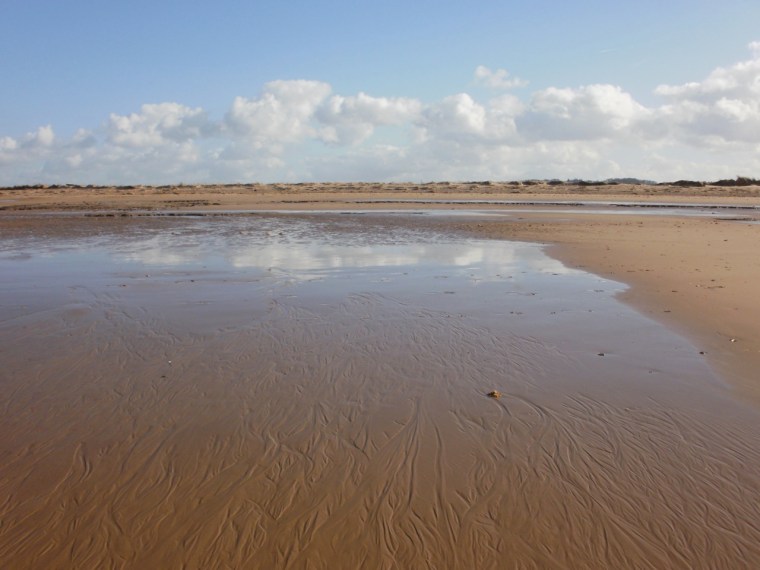
The recent tidal surges and storms were evident in the scattered remains of some of the dunes across the tidal flats, but on the whole the stunning beaches were back to normal. The looming cloud formations betrayed the approaching change in the weather but added to the dramatic scenery.

Brancaster beach, Mari French 2014.

Brancaster beach, Mari French 2014.


Brancaster beach, Mari French 2014.

Brancaster beach, Mari French 2014.


Creek, Titchwell. Mari French 2014.

Creek, Titchwell. Mari French 2014.