glorious colours…lethal earth…

In early September I spent a week on the Penwith peninsula of Cornwall. This area is well-known for its stunning coastline, artists and the many standing stones and stone circles.
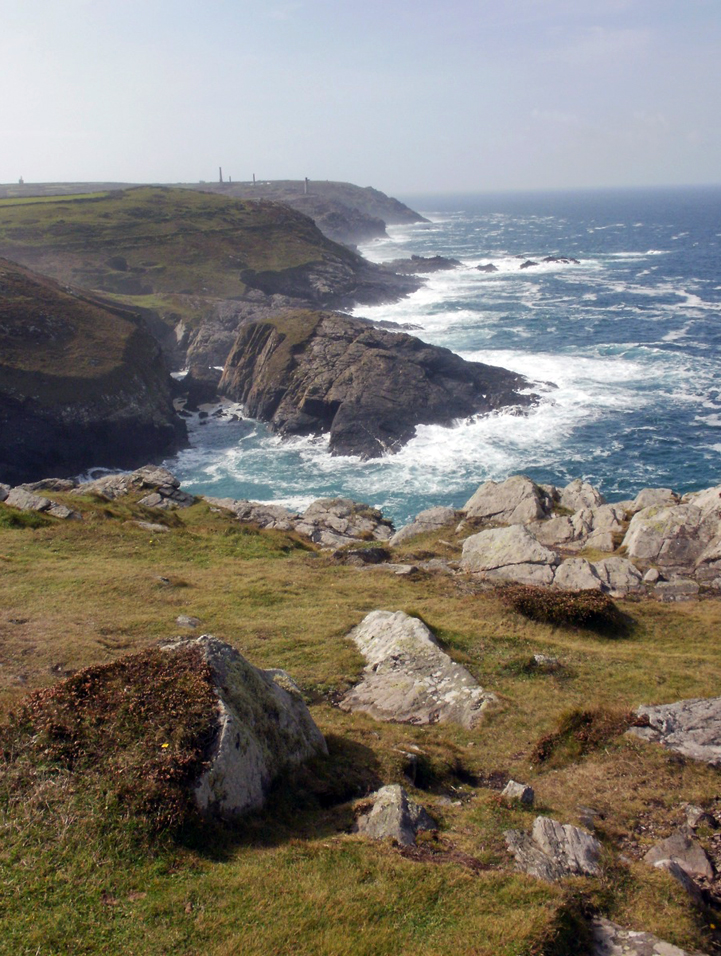
Cape Cornwall from Pendeen Lighthouse © Mari French 2011

Cape Cornwall from Pendeen Lighthouse © Mari French 2011

Sketch of Cape Cornwall, from Pendeen Watch © Mari French 2011

Sketch of Cape Cornwall, from Pendeen Watch © Mari French 2011

At St Ives I visited the 150 year old art studios at Porthmeor, with their large boarded sail-loft type spaces and huge seaward windows overlooking the Atlantic rollers on Porthmeor beach. Really difficult not to be envious of such light and space for painting. One of the artists, John Emanuel, originally from Cumbria, has been resident at the studios for 30 years. He had a fascinating book of photos of the studio interior recently published so I bought a copy.
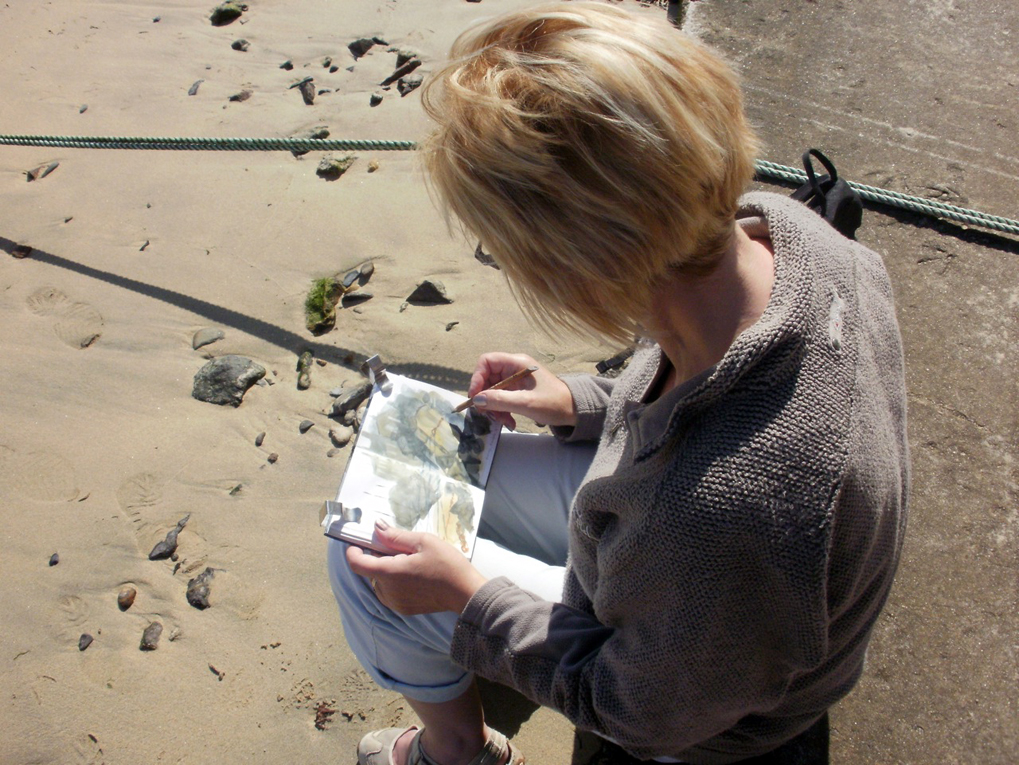
Sketching at Mousehole, Cornwall © Mari French 2011

Sketching at Mousehole, Cornwall © Mari French 2011

I also spent a glorious couple of days tracking down some of the industrial archaeology of the area’s past – tin mines, near Land’s End, which I wanted to sketch. Levant mine, on the coast between St Just and Pendeen is now a National Trust site but this didn’t intrude on the potent atmosphere of the ruined engine houses, chimneys and arsenic works.

Ruins, Levant mine, Cornwall © Mari French 2011
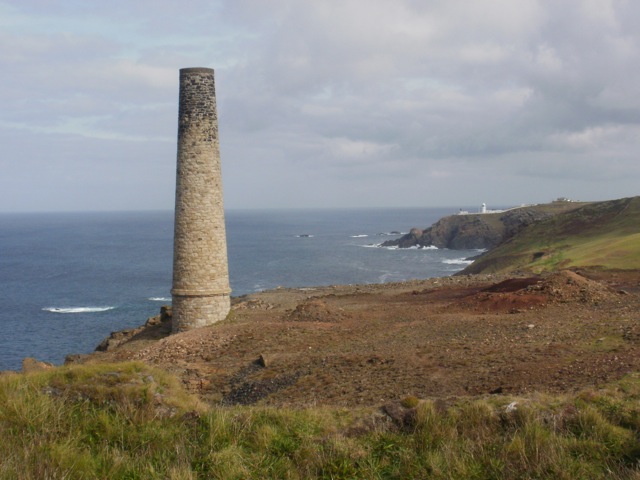
Ruins, Levant mine, Cornwall © Mari French 2011

mine chimney, Cape Cornwall © Mari French 2011

mine chimney, Cape Cornwall © Mari French 2011

The spectacular setting, on the coastal path high above the sea, added to the sense of drama… a gift to the artist and photographer, although I didn’t see much evidence of the industrial side of Cornwall in the galleries at St Ives.
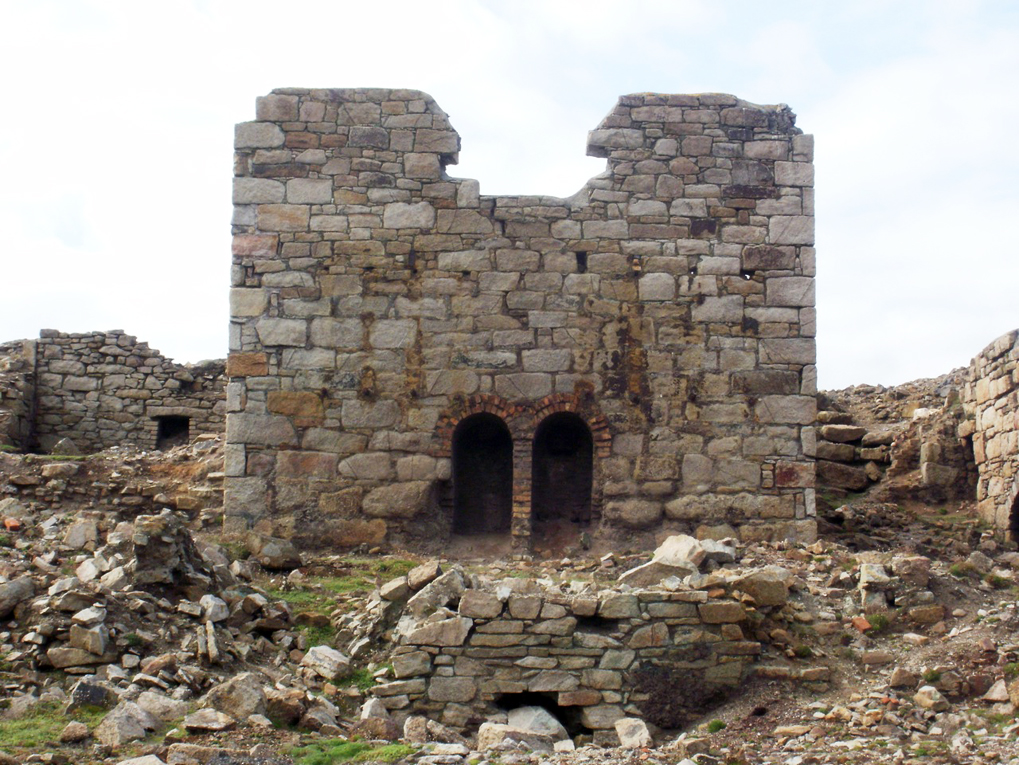
ruined arsenic works, Levant mine, Cornwall © Mari French 2011

ruined arsenic works, Levant mine, Cornwall © Mari French 2011

Levant mine originally worked copper till the 1850s, then tin. Arsenic produced as a by-product of the tin mining was, horrifyingly, scraped off the inside of the chimney by men and young boys, by hand, with little more than a cloth to protect their breathing. The arsenic was produced for dyes, pesticides and medicine!

Sketch of Levant Mine, Cape Cornwall © Mari French 2011

Sketch of Levant Mine, Cape Cornwall © Mari French 2011

I was excited by the vivid red and ochres, both in the buildings and bleeding through the ground of this eerie landscape. Beautiful and potentially lethal…

…an interesting possibility for a body of work I thought, also appreciating the contrast of the industrial subject within the landscape.

Traces of jewel-like minerals can easily be found in the scattered rocks and the earth around the site.

Even the bracken and other vegetation on the moorland above the mine seemed to mirror the colours of the earth and ores.
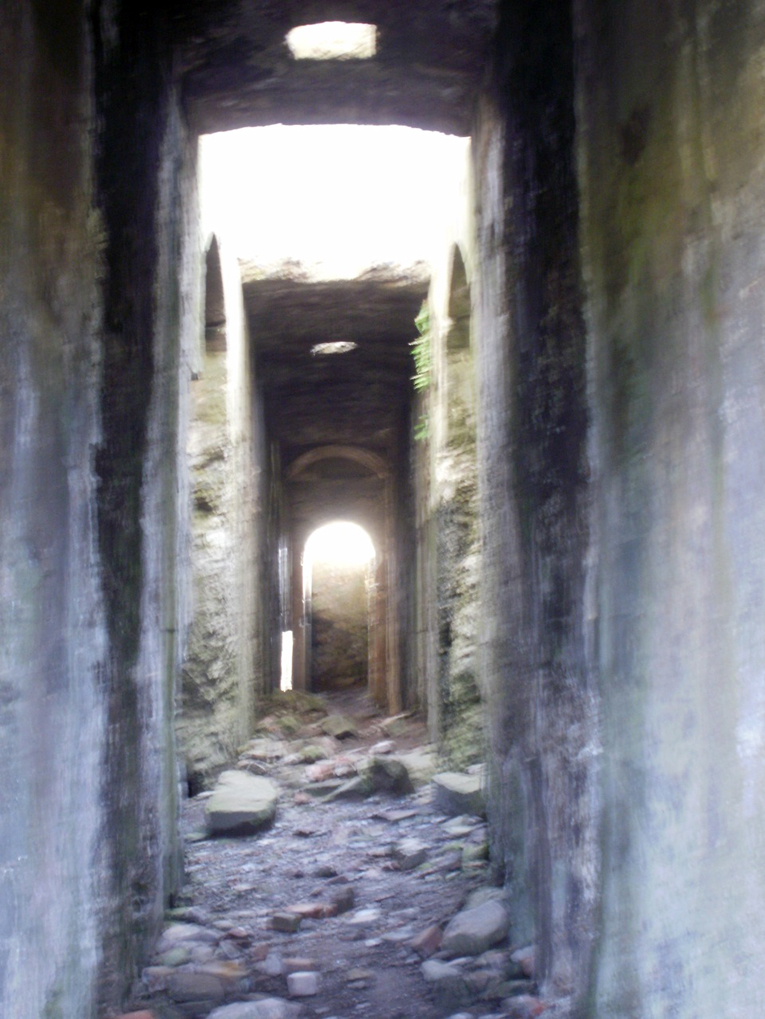
interior of ruined mine - Levant mine, Cornwall © Mari French 2011

interior of ruined mine - Levant mine, Cornwall © Mari French 2011

rocks at Levant mine, Cape Cornwall © Mari French 2011

rocks at Levant mine, Cape Cornwall © Mari French 2011

Levant Mine, Cape Cornwall © Mari French 2011
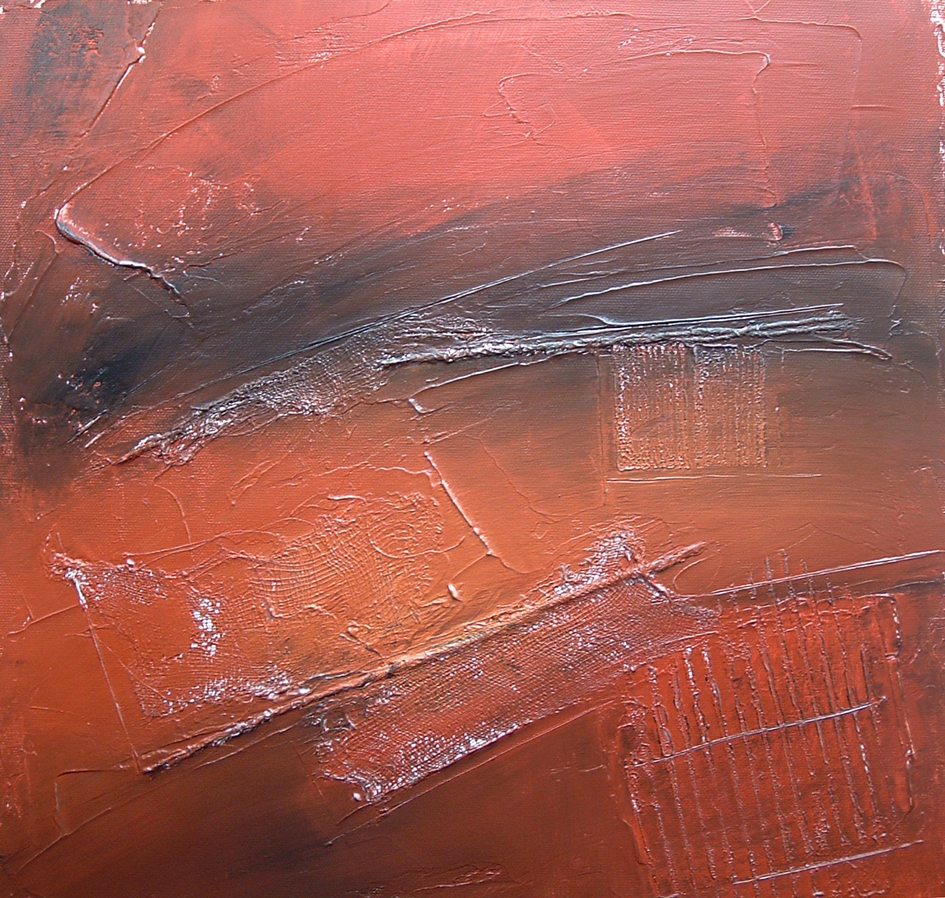
Levant Mine, Cape Cornwall © Mari French 2011

evolution of a painting…

I recently came across these digital photos of the creation of a work I have on display at the Burnham Grapevine Gallery in North Norfolk just now. Titled simply ‘Red landscape’ it is approx 40x40cm, acrylic/mixed media on canvas like a lot of my work. I thought it might be interesting to show how the painting evolved.

step1 © Mari French 2009

step1 © Mari French 2009

Obviously step 1 above sees the work some way on in its progress. I started by covering the box canvas with a smooth texture paste that I use, spread liberally and loosely with a palette knife. Before this dried I embedded various materials into it such as fine muslin and string, also pressing pieces of corrugated cardboard (peeling off the covering layer on one side, revealing the ridges) to create interesting areas of texture. Then, using a large (4 inch) soft brush – I applied a mix of burnt sienna and yellow ochre mixed with matt medium all over. When that was almost dry, I swept paynes grey across parts of the upper middle and lower foreground, resulting in the above image (step 1).

step 2 © Mari French 2009

step 2 © Mari French 2009

In step 2 above, the sky area, horizon and foreground are suggested with parchment (a pale cream colour I find a bit gentler than white) giving some definition to what I could now visualise as a fieldscape, albeit an abstracted one. This was allowed to dry thoroughly.

step 3 © Mari French 2009

step 3 © Mari French 2009

Step 3 demonstrates the rather drastic technique I often use of sweeping darker paint over  the canvas with loose strokes concentrating on getting into all those bumps and ridges of texture. Before it dries I wipe most of it away with damp rags (have to be pretty quick here). Although this may seem a waste of time (and paint!) I find it gives a subtle depth to the final painting. Incidentally I use a hairdryer to speed up drying times for most works.

I then warmed up the painting with more burnt sienna and yellow ochre mix, and yellow ochre on its own, used fairly dry so it retained the brush strokes, to indicate ‘field’ areas. The finished work is shown below and also a close-up detail showing how the paint clings to the texture of the muslin etc.

Red landscape © Mari French 2009

Red landscape © Mari French 2009

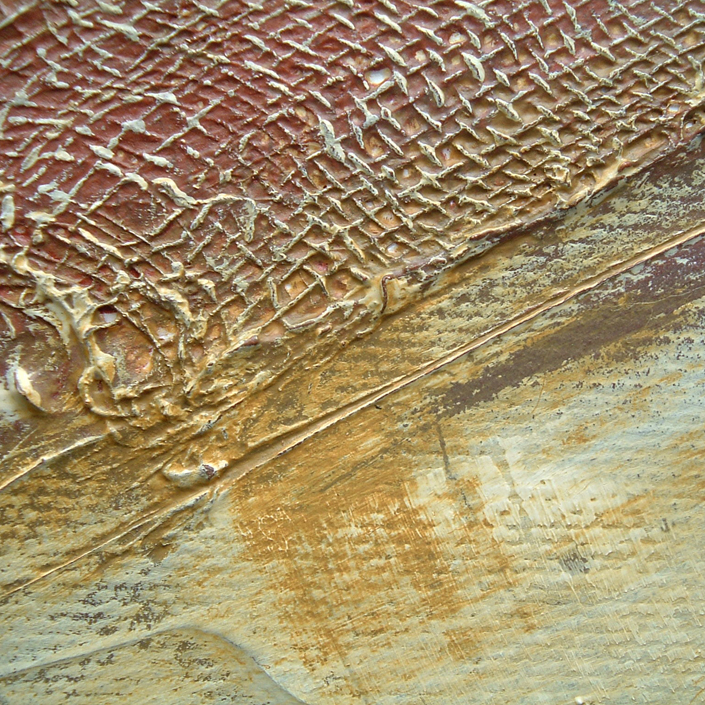
'Red landscape' detail © Mari French 2009

'Red landscape' detail © Mari French 2009