glorious colours…lethal earth…

In early September I spent a week on the Penwith peninsula of Cornwall. This area is well-known for its stunning coastline, artists and the many standing stones and stone circles.
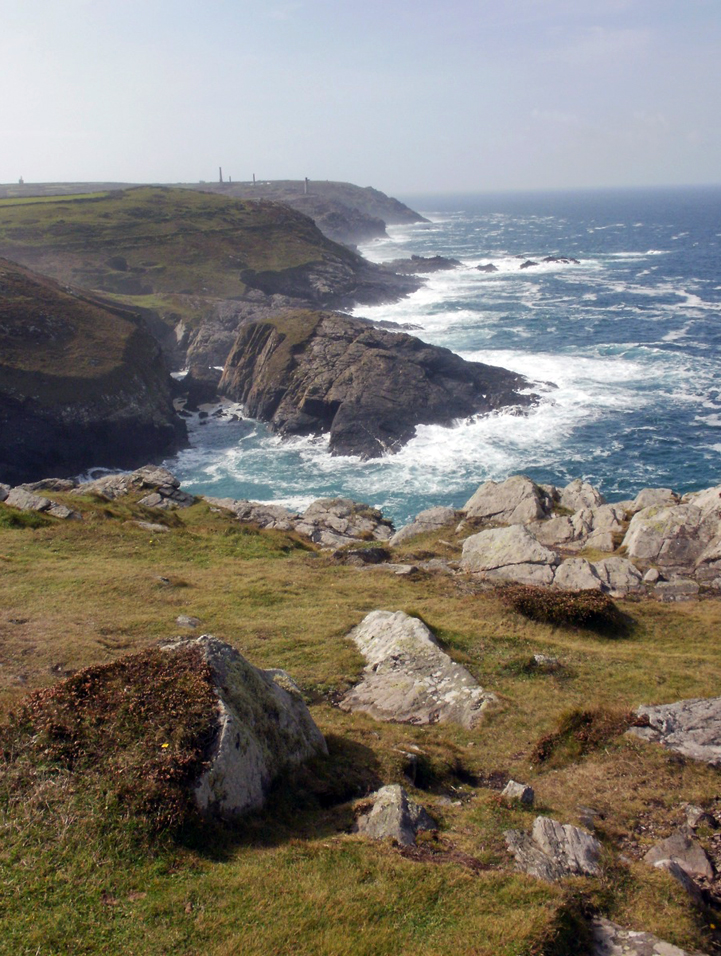
Cape Cornwall from Pendeen Lighthouse © Mari French 2011

Cape Cornwall from Pendeen Lighthouse © Mari French 2011

Sketch of Cape Cornwall, from Pendeen Watch © Mari French 2011

Sketch of Cape Cornwall, from Pendeen Watch © Mari French 2011

At St Ives I visited the 150 year old art studios at Porthmeor, with their large boarded sail-loft type spaces and huge seaward windows overlooking the Atlantic rollers on Porthmeor beach. Really difficult not to be envious of such light and space for painting. One of the artists, John Emanuel, originally from Cumbria, has been resident at the studios for 30 years. He had a fascinating book of photos of the studio interior recently published so I bought a copy.
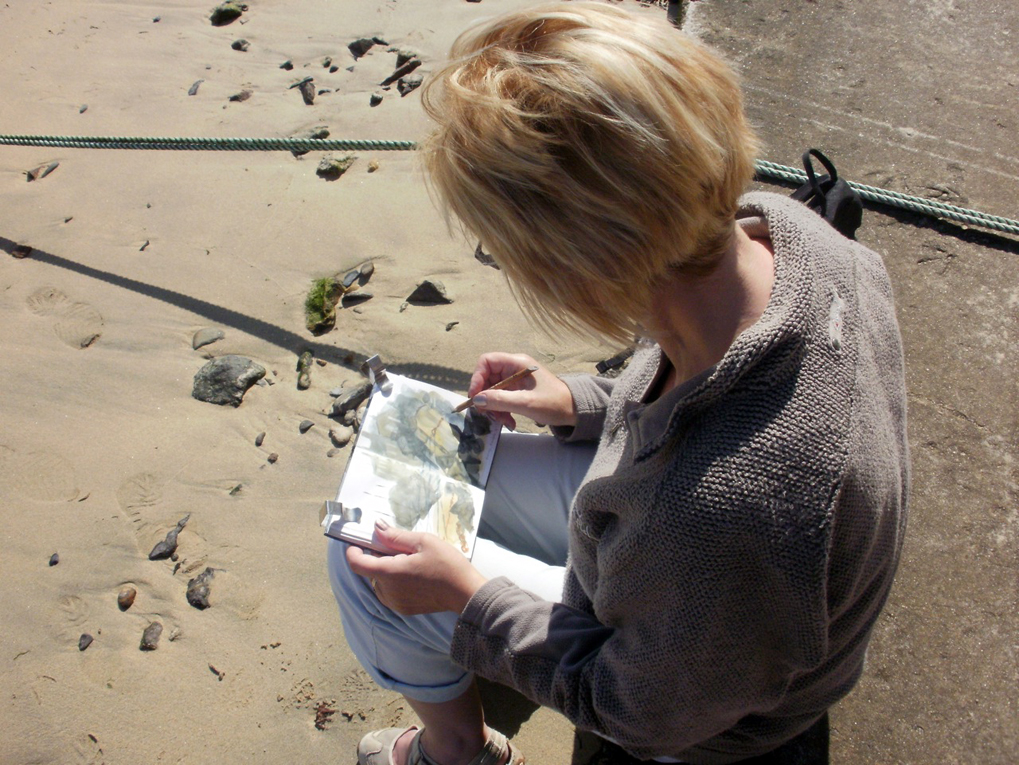
Sketching at Mousehole, Cornwall © Mari French 2011

Sketching at Mousehole, Cornwall © Mari French 2011

I also spent a glorious couple of days tracking down some of the industrial archaeology of the area’s past – tin mines, near Land’s End, which I wanted to sketch. Levant mine, on the coast between St Just and Pendeen is now a National Trust site but this didn’t intrude on the potent atmosphere of the ruined engine houses, chimneys and arsenic works.

Ruins, Levant mine, Cornwall © Mari French 2011
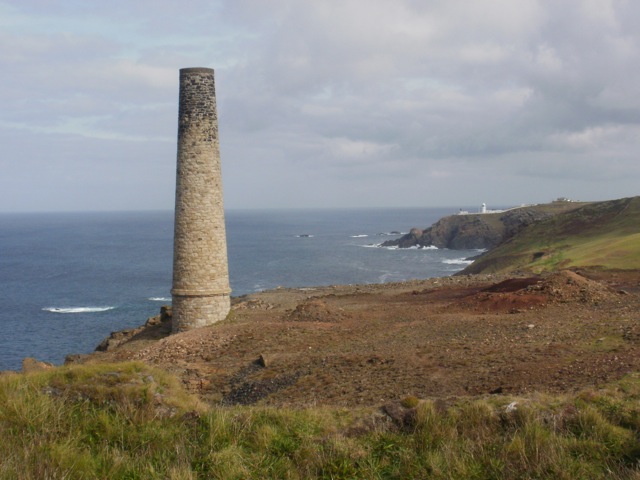
Ruins, Levant mine, Cornwall © Mari French 2011

mine chimney, Cape Cornwall © Mari French 2011

mine chimney, Cape Cornwall © Mari French 2011

The spectacular setting, on the coastal path high above the sea, added to the sense of drama… a gift to the artist and photographer, although I didn’t see much evidence of the industrial side of Cornwall in the galleries at St Ives.
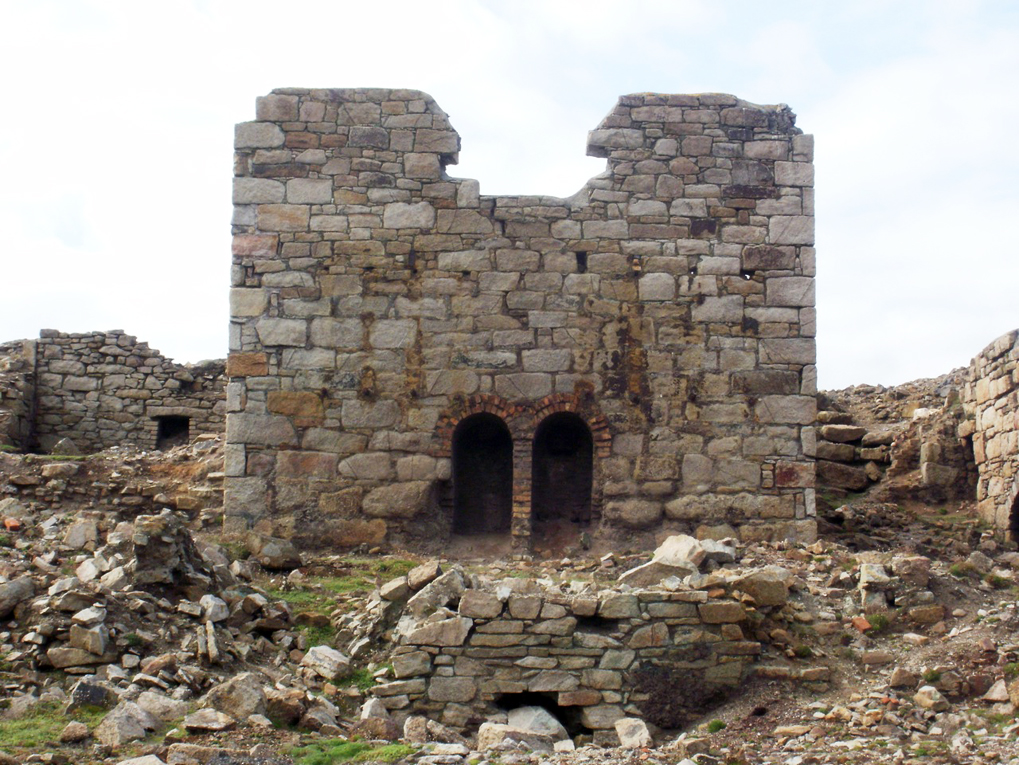
ruined arsenic works, Levant mine, Cornwall © Mari French 2011

ruined arsenic works, Levant mine, Cornwall © Mari French 2011

Levant mine originally worked copper till the 1850s, then tin. Arsenic produced as a by-product of the tin mining was, horrifyingly, scraped off the inside of the chimney by men and young boys, by hand, with little more than a cloth to protect their breathing. The arsenic was produced for dyes, pesticides and medicine!

Sketch of Levant Mine, Cape Cornwall © Mari French 2011

Sketch of Levant Mine, Cape Cornwall © Mari French 2011

I was excited by the vivid red and ochres, both in the buildings and bleeding through the ground of this eerie landscape. Beautiful and potentially lethal…

…an interesting possibility for a body of work I thought, also appreciating the contrast of the industrial subject within the landscape.

Traces of jewel-like minerals can easily be found in the scattered rocks and the earth around the site.

Even the bracken and other vegetation on the moorland above the mine seemed to mirror the colours of the earth and ores.
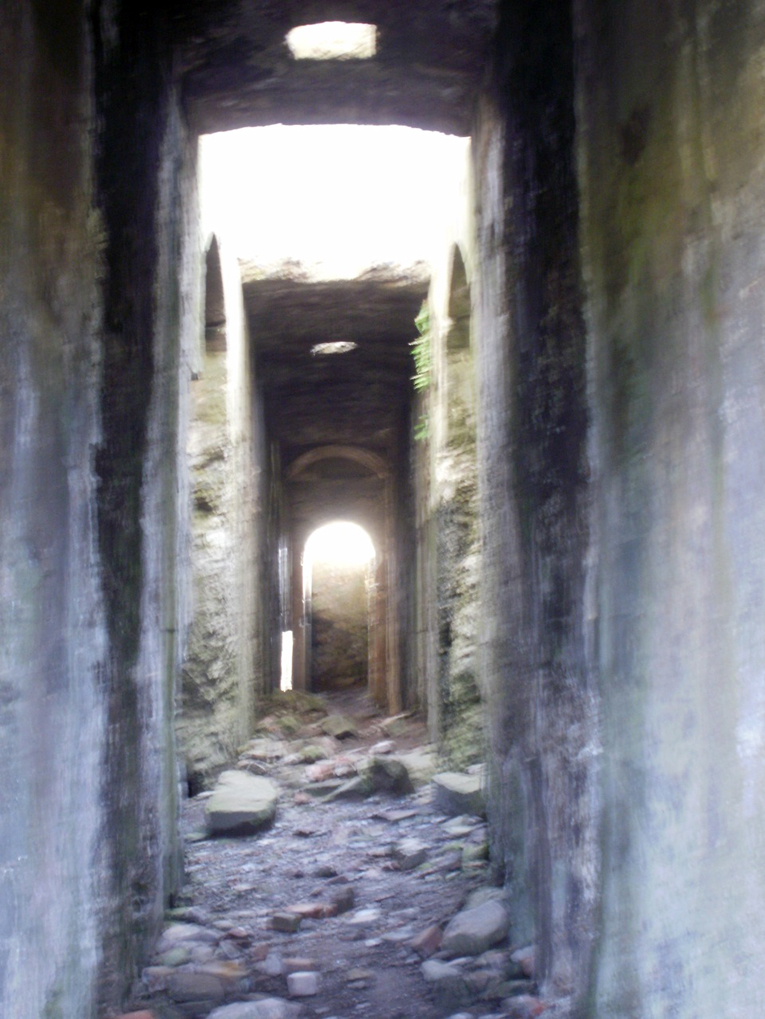
interior of ruined mine - Levant mine, Cornwall © Mari French 2011

interior of ruined mine - Levant mine, Cornwall © Mari French 2011

rocks at Levant mine, Cape Cornwall © Mari French 2011

rocks at Levant mine, Cape Cornwall © Mari French 2011

Levant Mine, Cape Cornwall © Mari French 2011
Levant Mine, Cape Cornwall © Mari French 2011
seeing lavender…

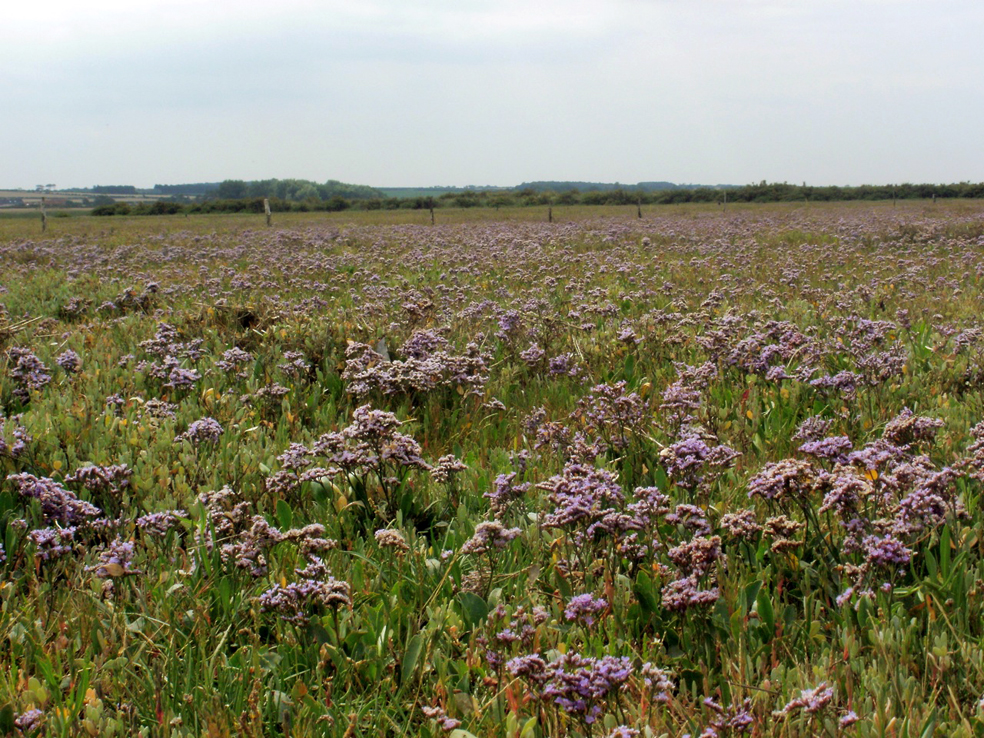
After following a small path through woodland and undergrowth, then open saltmarsh and wide skies this was the inspirational view I stumbled on back in late summer on a glorious day near Thornham saltmarsh, Norfolk… a huge swathe of pale purple sea lavender flowers.

sea lavender, Norfolk © Mari French 2011

sea lavender, Norfolk © Mari French 2011

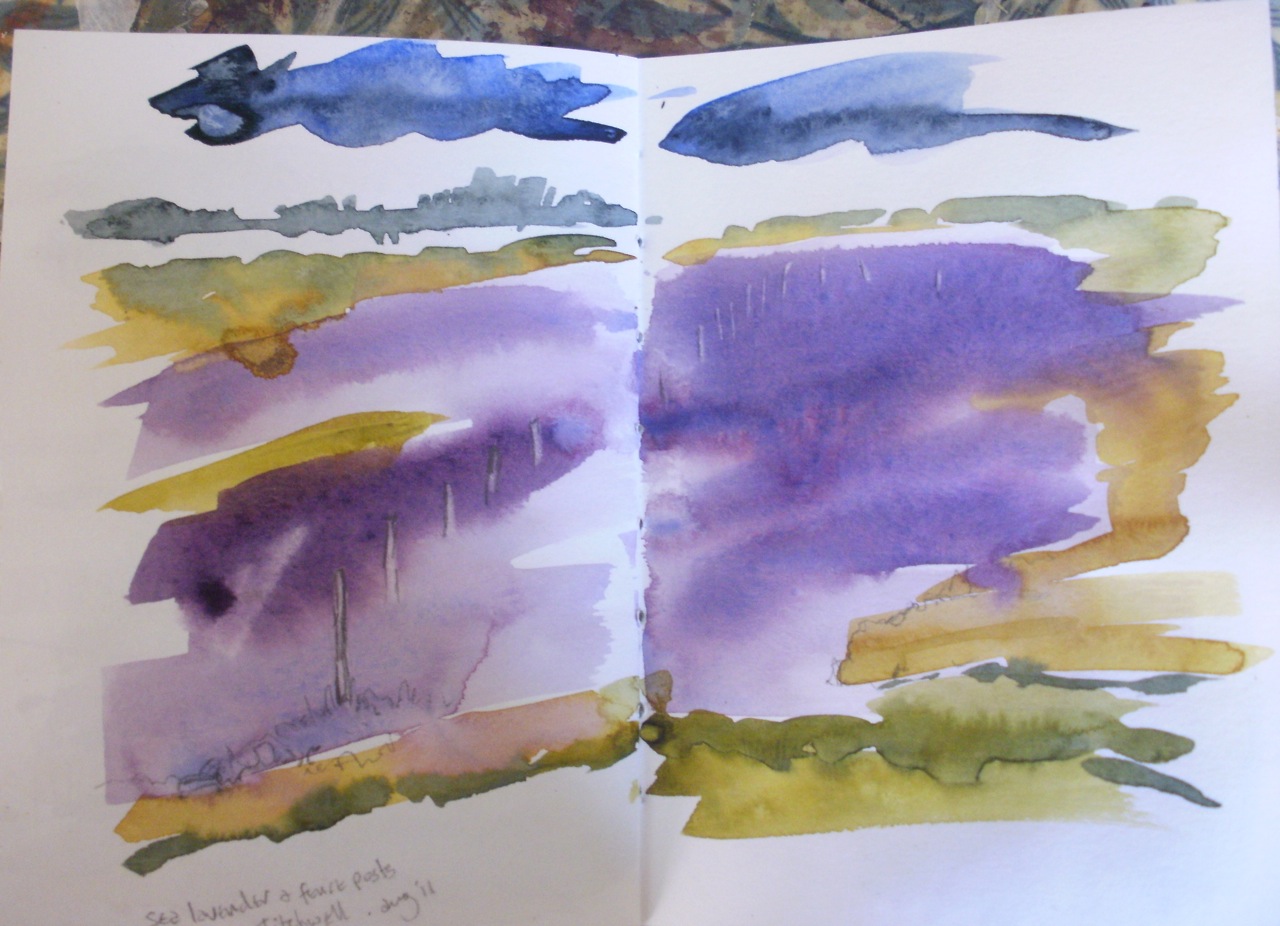
Below is the little sketch I did on the spot… can’t wait to re-interpret this as a large painting sometime!

Sea Lavender, Norfolk (sketch) © Mari French 2011

Sea Lavender, Norfolk (sketch) © Mari French 2011

wellies and watercolours…

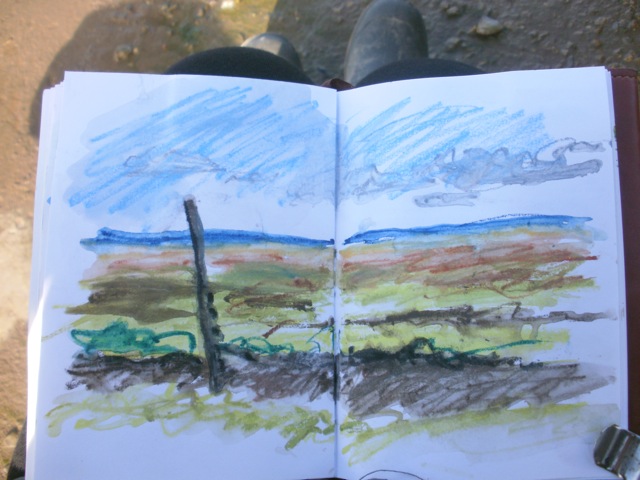
Thornham saltmarsh, from sketchbook © Mari French 2011

Thornham saltmarsh, from sketchbook © Mari French 2011

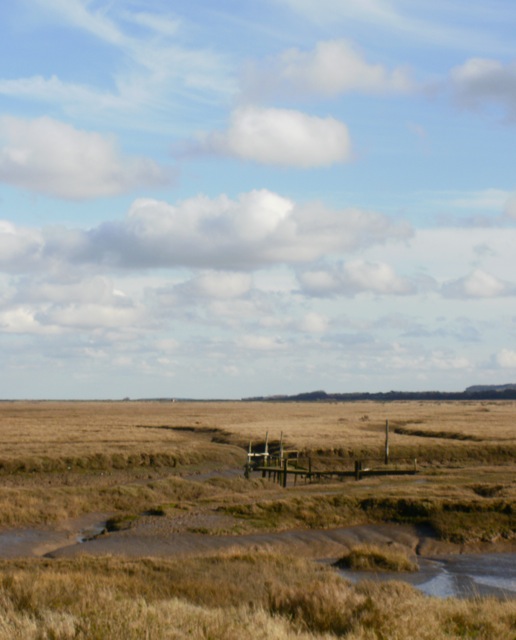
Thornham creek & marshes © Mari French 2010

Thornham creek & marshes © Mari French 2010

A selection of photos and sketches from a recent visit to Thornham marshes, on the north Norfolk coast, in glorious sunshine. At high tide the saltmarsh and creeks are inundated by seawater – it’s a place of dual characteristics which fascinates me.

I’m spending time studying this area with the intention of working up a body of paintings (another one!) for exhibition. The tide goes out fast here leaving shining mud banks reflecting the blue sky and is a feast for wading birds (the area is a mecca for bird-watchers).

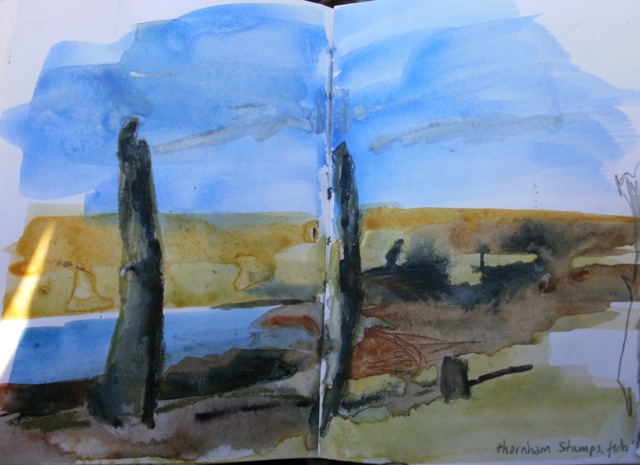
Old silvered tree stumps and rows of dark posts in the mud – remains of staithes (jetties) – provide useful vertical contrast to the expanse of horizontal bands of colour and texture. The creek winds out to the pale strand and dunes in the distance, and indigo strip of sea.

Although it was sunny there was a very cold breeze, so as well as wrapping up well, I made use of the disposable hand warmers I got for christmas. These come in a multi-pack and as soon as you tear open the cello pack they start to warm up and provide very good heat for several hours (although they’re probably not very eco-friendly). They’re also small enough to fit in gloves (or even wellies for a quick warm up!) – highly recommended for outdoor sketching.

Thornham creek, from sketchbook © Mari French 2011

Thornham creek, from sketchbook © Mari French 2011

Thornham stumps, from sketchbook © Mari French 2011

Thornham stumps, from sketchbook © Mari French 2011

Thornham creek & marshes © Mari French 2011

Thornham creek & marshes © Mari French 2011