pressing matters…

Harvest moon 2 (collagraph) © Mari French 2011

Harvest moon 2 (collagraph) © Mari French 2011

Last weekend I enjoyed the most inspiring and creative weekend collagraph printmaking workshop with Laurie Rudling at Salthouse, north Norfolk. The workshop was incredibly good value for money, being heavily subsidised as part of the Salthouse 11 art project. Laurie is an incredibly professional printmaker and effectively passes on his knowledge in an enthusiastic, instructive and effective way, packing a lot into the two day workshop.
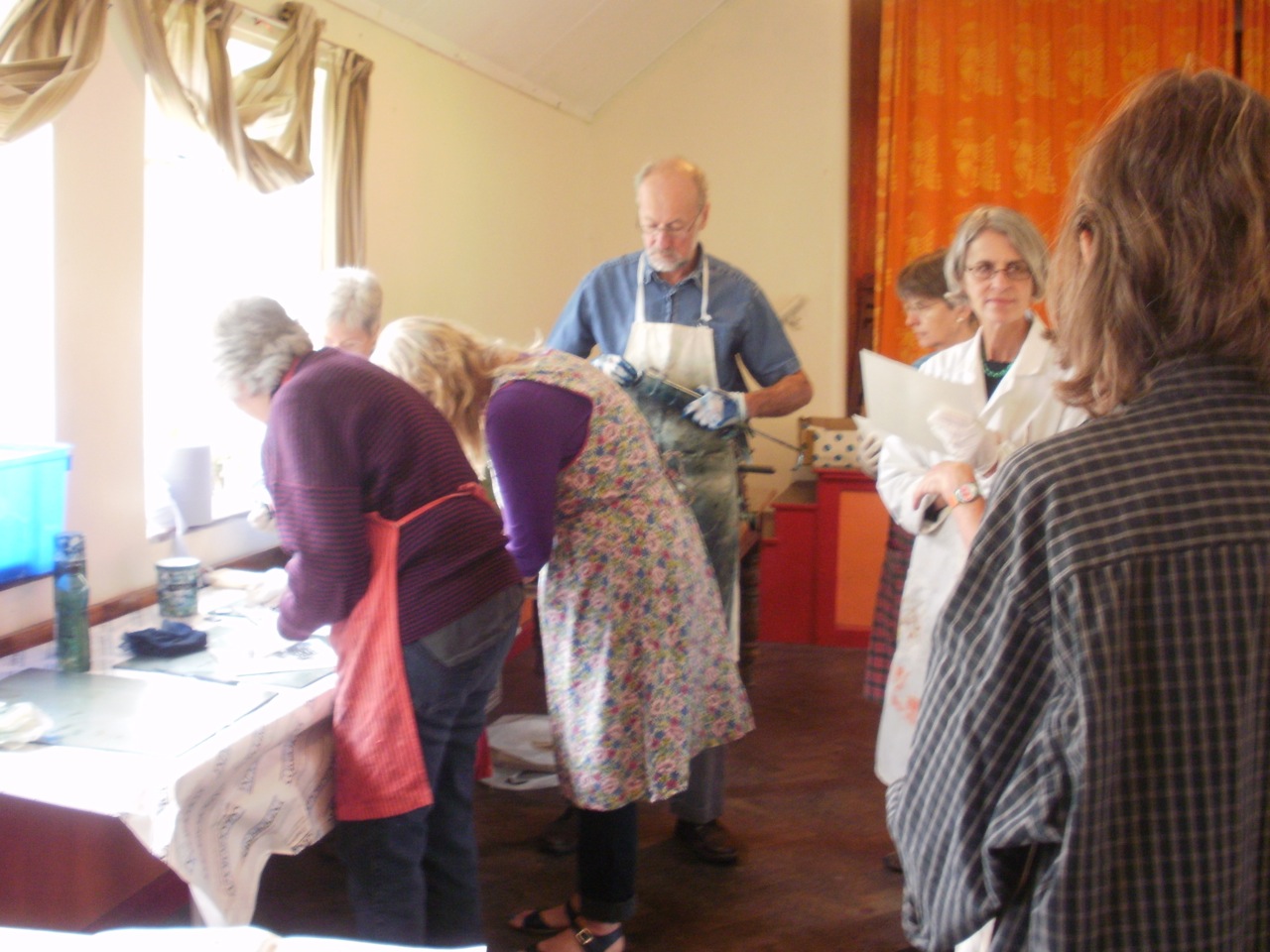
Collagraph workshop with Laurie Rudling (© Mari French)

Collagraph workshop with Laurie Rudling (© Mari French)

Collagraphs are a method of (intaglio) printmaking created by collaging materials of a similar thickness, eg bits of sandpaper, wallpaper samples, muslin cloth etc, onto a simple (in this case cardboard) plate, creating textures and shapes that will show up when inked and passed through a press. The ‘plate’ is then varnished to make it more durable for inking and printing. Approx 15 to 25 prints are possible from such a plate.

Collagraph printmaking can also be kinder to the environment too, in that it uses no harsh chemicals such as acid, it makes use of scrap materials and the oil-based ink can be efficiently cleaned with simple vegetable oil.

Below you can see the basic collagraph plate from which I produced the ‘Harvest moon’ prints in this post. What I found most fascinating is that the most humble and unpromising materials can result in really interesting textures in the resulting print. The sky on this plate is sandpaper, the lower ‘field’ textures are scraps of B&Q wallpaper samples.

basic collagraph plate - 'Harvest moon', Mari French

basic collagraph plate - 'Harvest moon', Mari French

Once inked up the ink is forced into the indentations and textures of the plate, as opposed to relief printmaking (such as linocuts), where the ink sits on top of the raised areas. To oversimplify, colours are added by either sweeping a contrasting ink colour over the first or by diligently inking up individual areas in different colours.
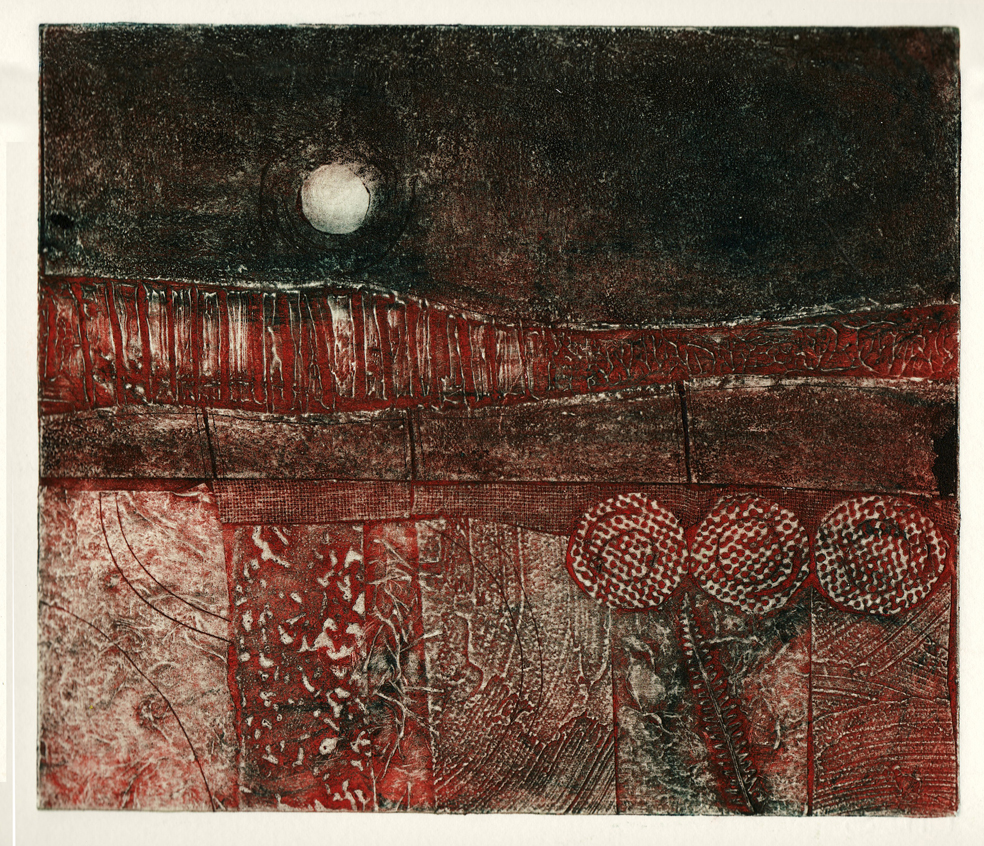
'Harvest moon 3' collagraph print © Mari French 2011

Harvest moon 3 (collagraph) © Mari French 2011

The method of building up overlapping layers, creating further shapes, is an alternative method of collagraph platemaking shown in the second ‘Arches’ plate below left.
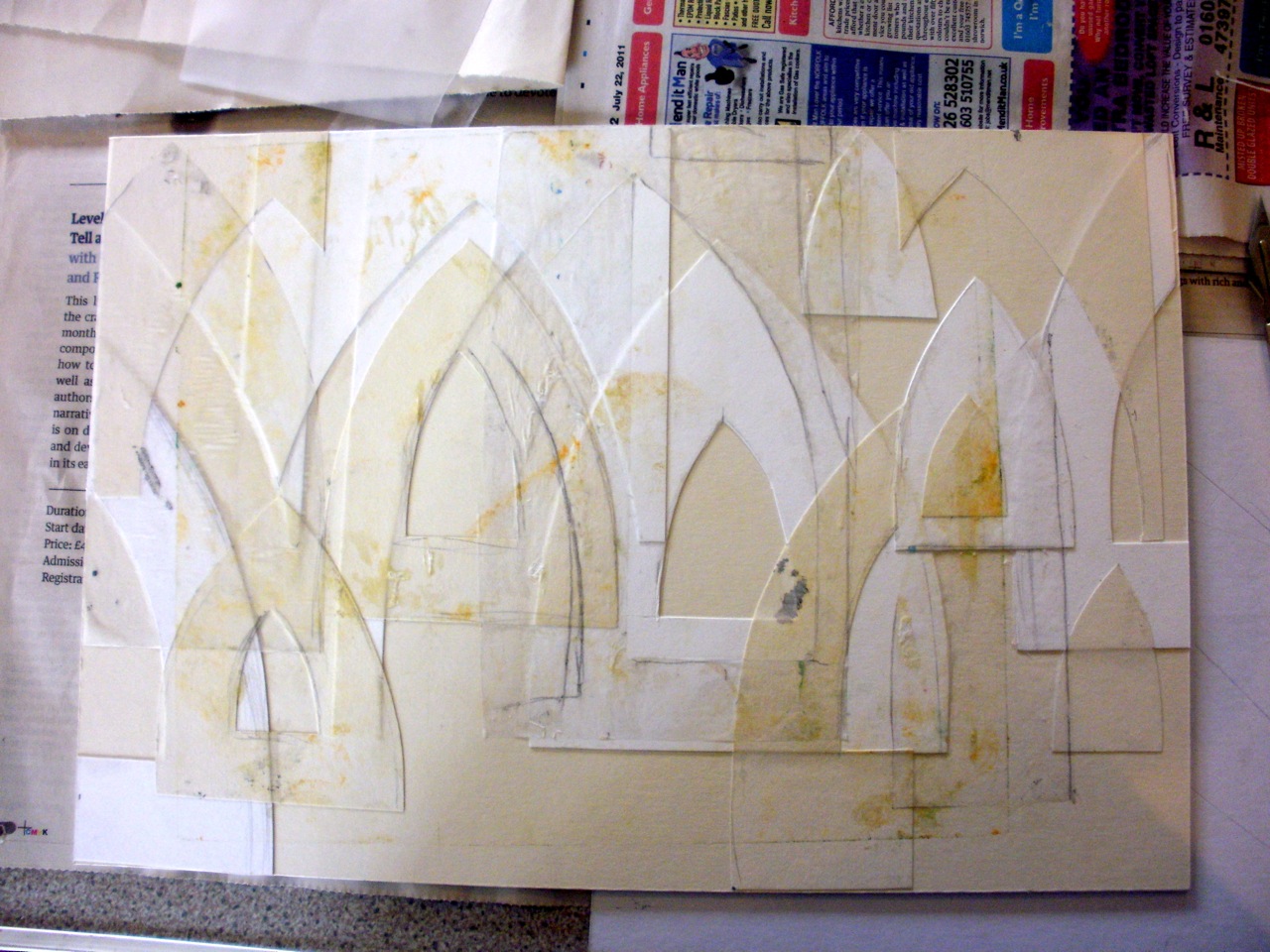
simple layered collagraph plate (Arches © Mari French)

simple layered collagraph plate (Arches © Mari French)

I found it fascinating that by ‘playing’ around like schoolchildren with bits of paper, glue and scissors, it was possible to produce such creative prints.

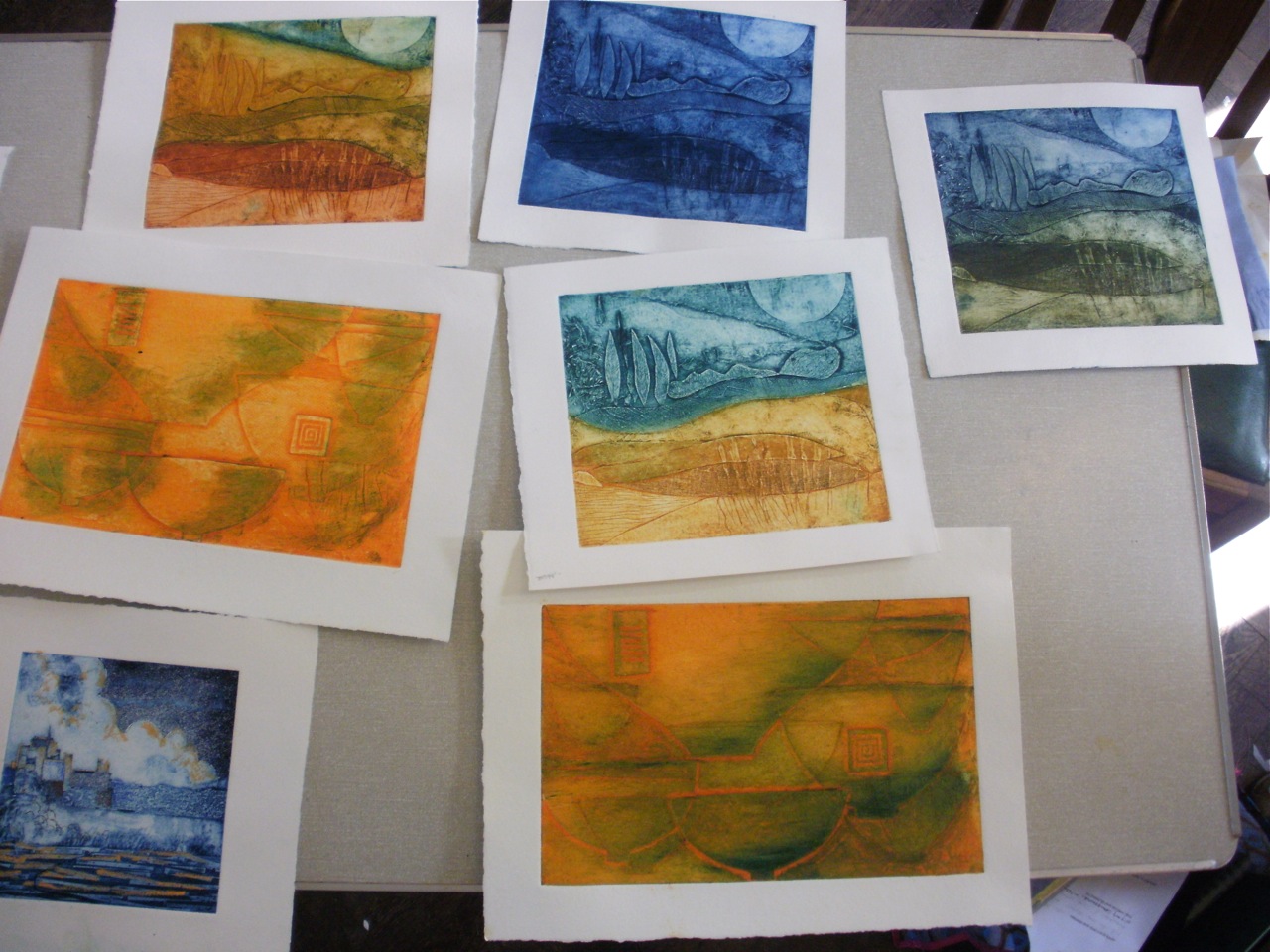
Although most of the students on the workshop were artists or had some creative experience, none of them had made collagraphs before. Yet as you can see from the photos of some of their work further down this post, they produced some stunning collagraph prints.

Much of this was due to the encouragement, patience and experience of our tutor. Laurie Rudling also holds workshops at the Broadland Arts Centre at Dilham near North Walsham in Norfolk.
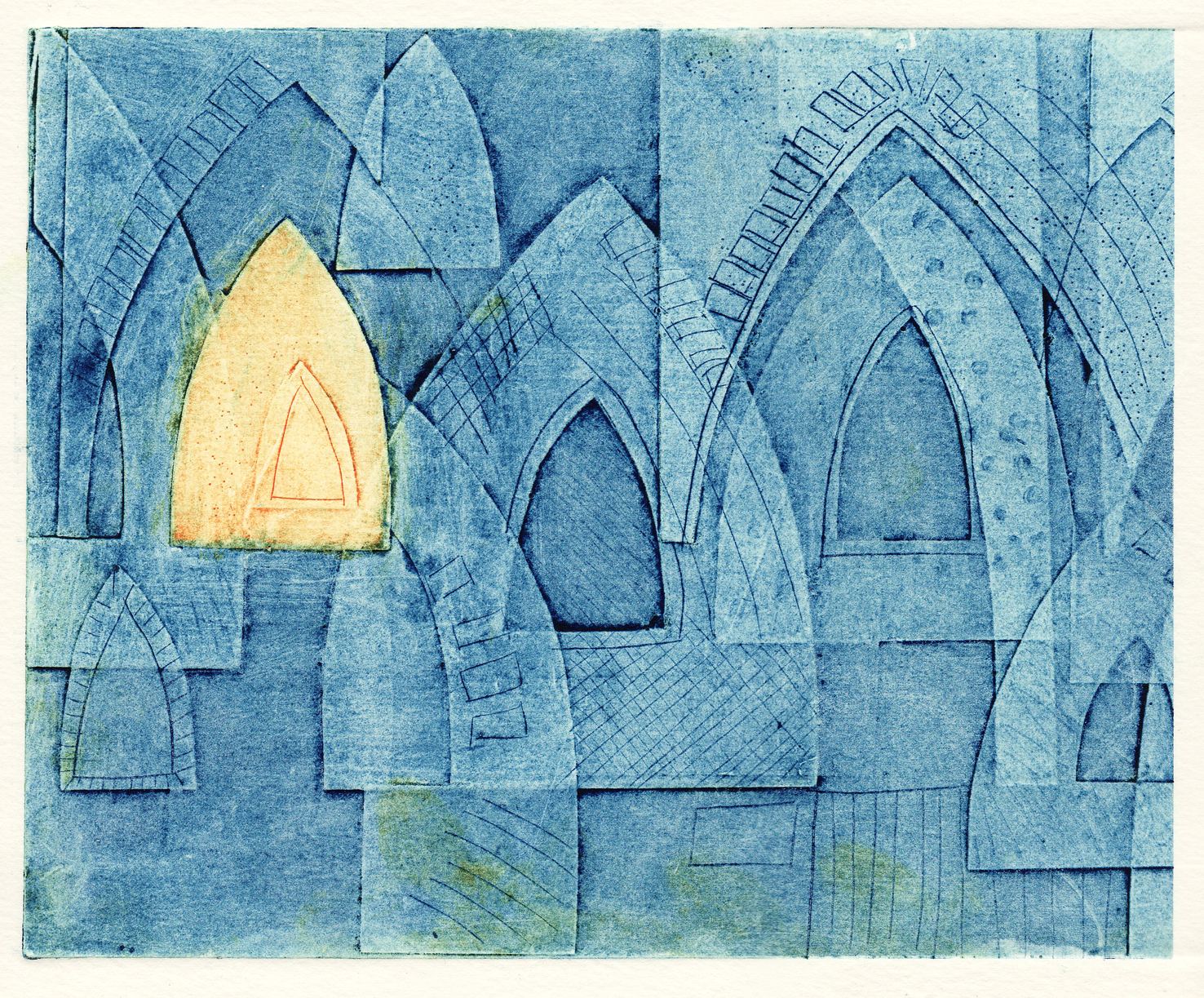
Arches (collagraph) © Mari French 2011

Arches (collagraph) © Mari French 2011

Poppy collagraph prints produced by fellow student Dee (photo © Mari French)
Poppy collagraph prints produced by fellow student Dee (photo © Mari French)

Collagraph workshop - students' work (photo © Mari French 2011

Collagraph workshop - students' work (photo © Mari French 2011)

Six Abstract Artists at Halesworth…

Six Abstract Artists, Halesworth Gallery

Six Abstract Artists, Halesworth Gallery

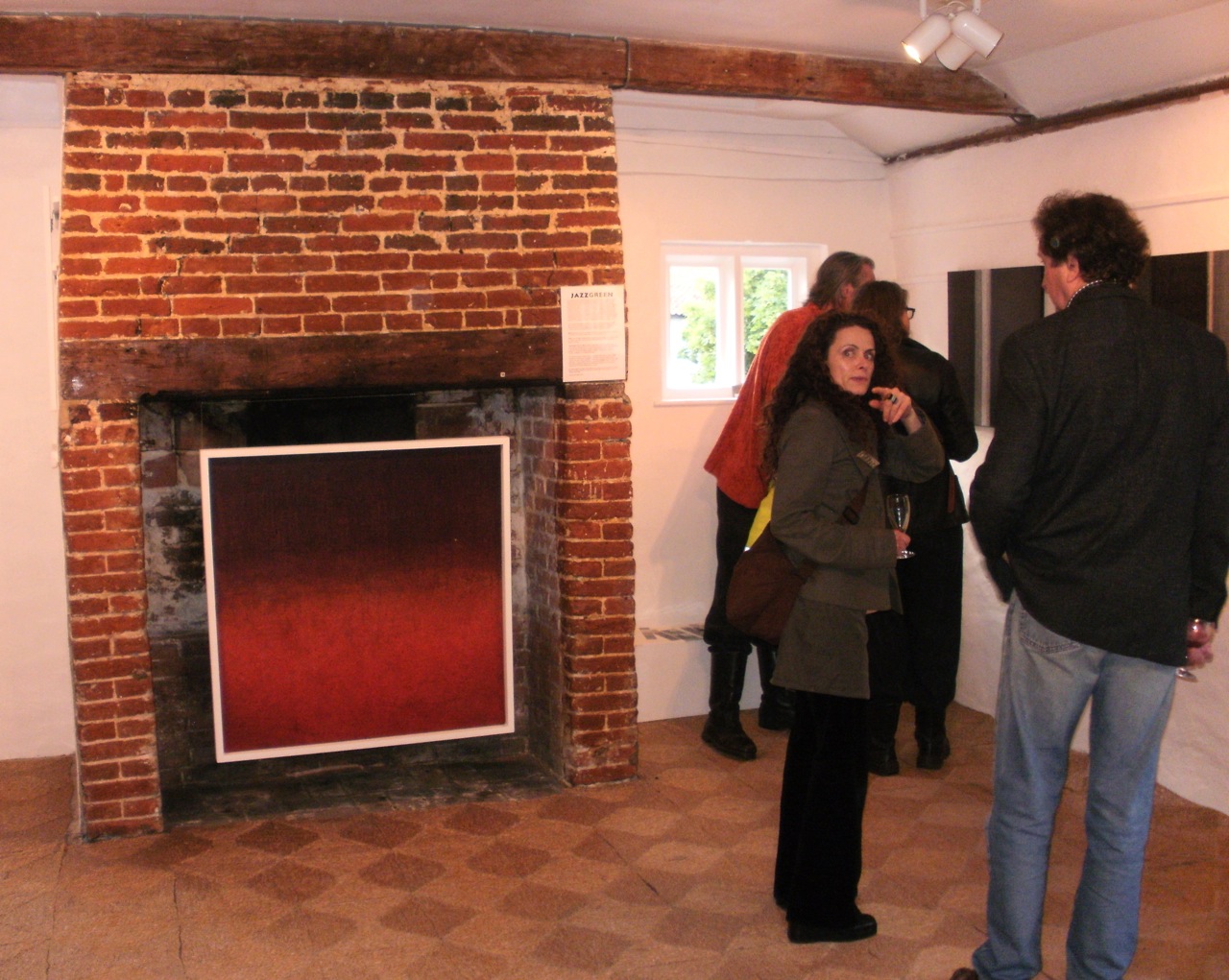
Friday saw the Preview of the ‘Six Abstract Artists’ exhibition at the Halesworth Gallery in Suffolk, which I am delighted to be a part of. Artists Jazz Green, Geraldine Carratu, John Midgley, Anthea Eames, Joan Hickson and myself have come together to show a wide range of styles and work,  ranging from abstract to semi-abstract, and includes geometric, textured, bold, subtle, vibrant, lively and flowing pieces.

Six Abstract Artists, Halesworth Gallery © Mari French 2011

Six Abstract Artists, Halesworth Gallery © Mari French 2011

It was an enjoyable evening with a great buzz about it as a good number of people turned out to view the work and talk to the artists. I’m really pleased to be showing at this gallery – not only is it a long- established venue, showing work from established artists such as sculptor Elizabeth Frink and painter Mary Fedden, since 1966, but it is also a beautiful space – medieval, atmospheric,  – and its ancient walls and timbers work with contemporary art surprisingly well. It is also a non-profit making charity, run by artists.

The general consensus seemed to be that the work of the six artists, while varied, sits very well together – thanks largely to the friendly and supportive staff – Alan and Jan who helped hang the show, and Paul Cope who worked so hard behind the scenes on the publicity.

Jazz Green's work at Six Abstract Artists, Halesworth Gallery

Jazz Green's work at Six Abstract Artists, Halesworth Gallery

My own work filled one wall opposite that of Anthea Eames who uses the materials of the earth itself – a fabulous deep blue from Norfolk woad, Australian red earth, Suffolk chalk etc – to create her striking abstract landscapes.

I also love Jazz Green’s square pieces – from the tiny ‘i-cons’ which quietly draw you in, to her large works which seem to hum with restricted but singing depth of colour. For a more in-depth blog on the same show, with more photos showing all the artists work (which I didn’t manage to get on the night), I can recommend Jazz Green’s blog post ‘six abstract artist – a private view’.

Six Abstract Artists, Halesworth Gallery

Six Abstract Artists, Halesworth Gallery

purple obsession…completed!

…as promised here are the final stages of the tulip painting, described in my previous post.

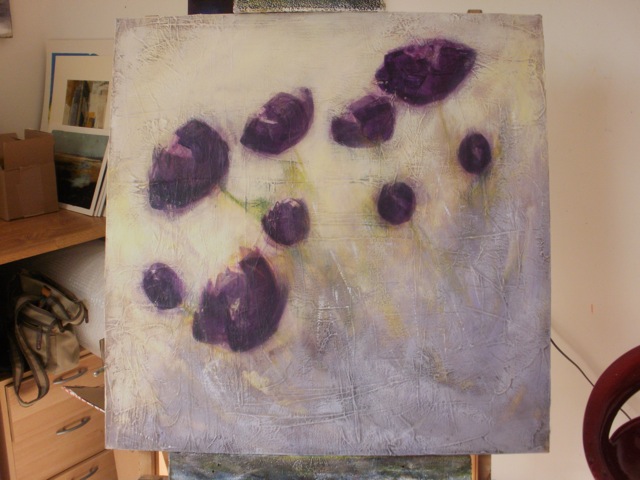
Below you can see how I added purple to the lower foreground to tie it in with the flowers themselves, knowing I would be painting over most of it, but allowing enough to show through to create depth and interest.

© Mari French 2011

© Mari French 2011

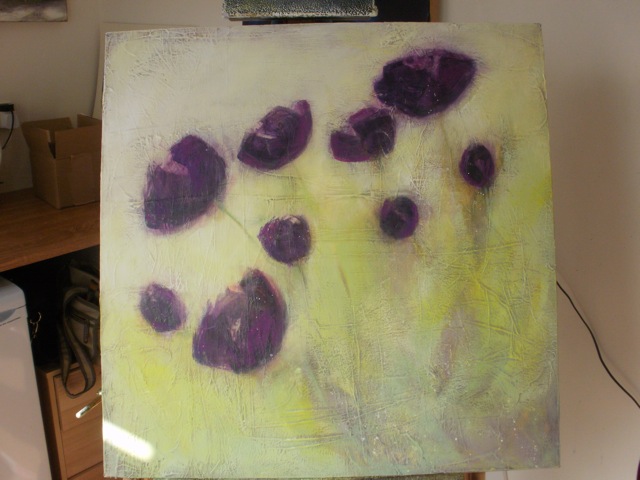
I then brightened the foreground up again loosely with pale green (actually lemon yellow and white), wiping it back in places to allow the lower layer colours to show through. I was after an impression of these wonderful tulips bursting through spring foliage in the May garden, in sunshine.

I next added dioxazine purple and quinacrodrine carmine to the flowers to bring out their colours. I’m grateful to Elaine Phipps, a fellow artist and friend, whose recent description of tulip petals as being like ‘plumage’, is such a brilliantly apt description of them.

© Mari French 2011

© Mari French 2011

Once thoroughly dry, I covered each bloom with pieces of easily removable self-adhesive brown tape so I could refresh the upper background with a layer of brighter paint – you can see this in the detail image below.  Tearing the tape into small pieces makes it easier to pull and push them into the natural shape of the flowers.

© Mari French 2011

© Mari French 2011

© Mari French 2011

© Mari French 2011

When I was happy with that area I removed the tape – a moment I love as the colours now sing out against the brighter background.

As you can see in the two lower detail photos (which I really wish were actually large final works- how happy would I then be!), I then worked into each bloom with watercolour pastel in shades of light purple and carmine, to bring a liveliness and light to the flowers, giving them more definition.

You can also see where I earlier splashed fine drops of dilute purple paint to enliven part of the work, and again to tie in the rich purple with the background.

© Mari French 2010

© Mari French 2010

The last two images show the finished piece and the work in position at the Norfolk Open Studios group show at South Acre Church near King’s Lynn, a lively and varied exhibition which I spent all day on friday, along with 11 other artists, hanging (more of which in my next post).

© Mari French 2011

© Mari French 2011

South Acre show, Norfolk Open Studios © Mari French 2011

South Acre show, Norfolk Open Studios © Mari French 2011